Sunny Route Cruise
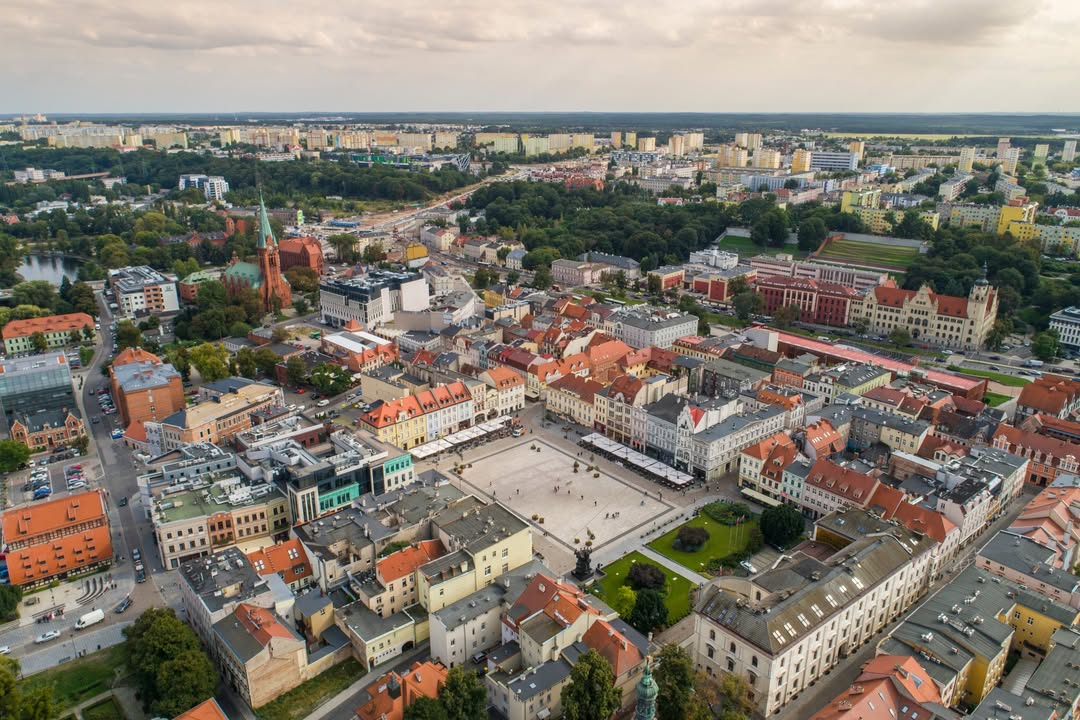
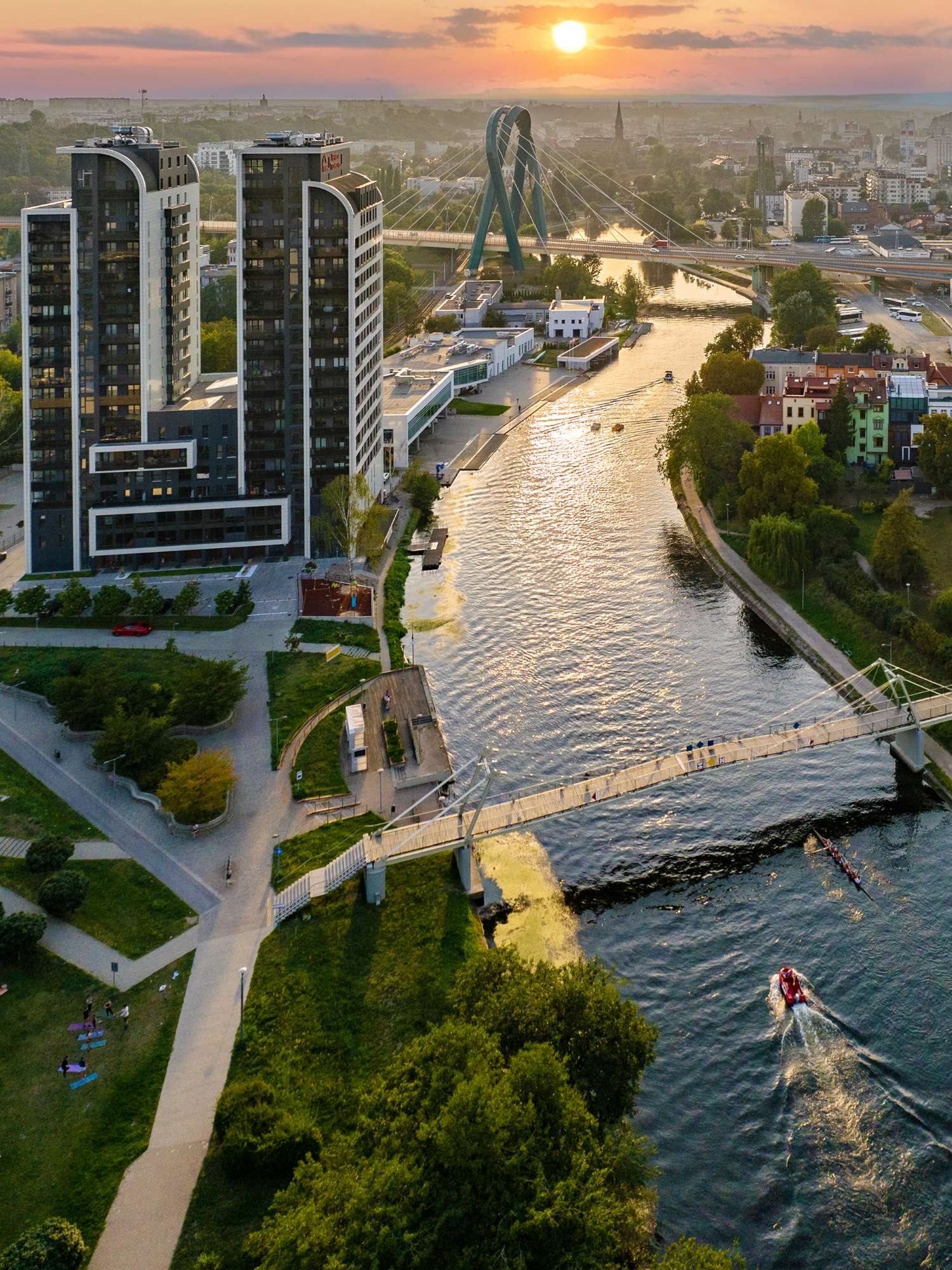
Take a relaxing, one-hour journey along the Sunshine Route and discover Bydgoszcz from a completely different perspective. Following the current of the Brda River, we will slowly leave behind the very heart of the city with its architectural gems, such as the Lloyd Palace and the Main Post Office. As we sail further, you will feel the sporting spirit of the city, passing by charming rowing boathouses and recreational areas. Along the way, we will also get a close-up look at the impressive structure of the University Route, and our journey will take us all the way to the Słoneczny Młyn Hotel. Read the descriptions below to learn more about the sights that will accompany you during this scenic boat ride.
Tickets for the Sunny Route cruise
Tickets for the Sunny Route cruise on the Sunflower ship, which departs from the Fish Market, are available online HERE.
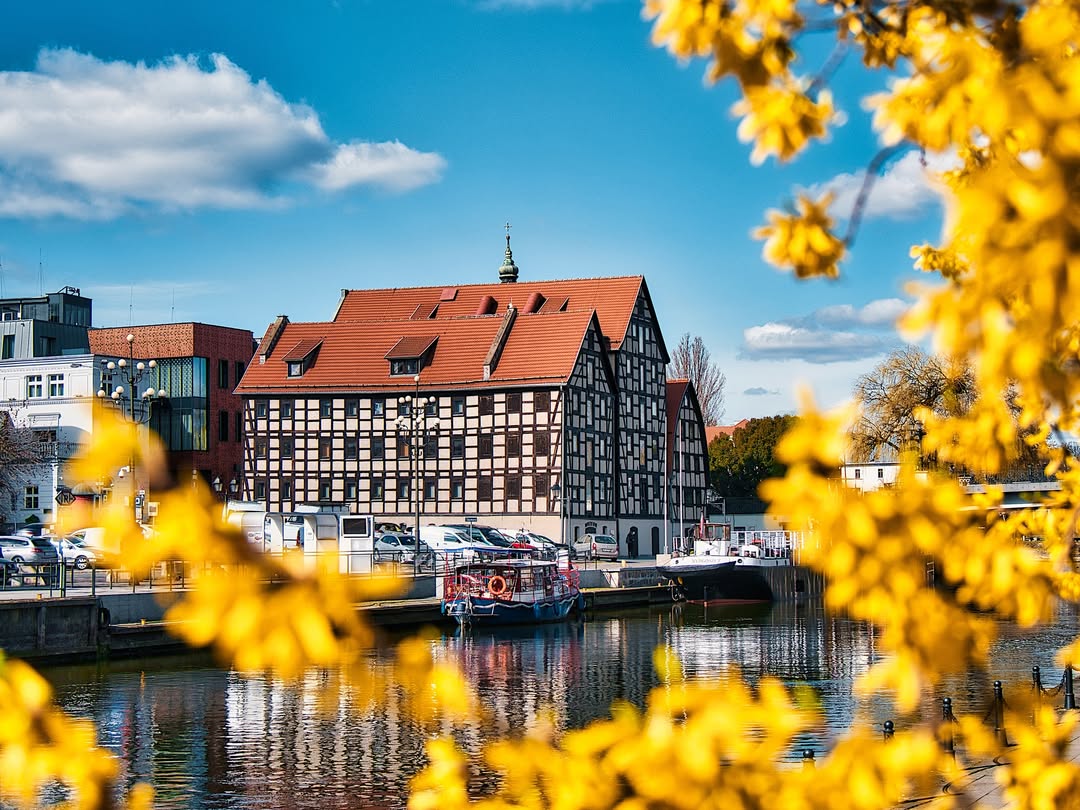
Rybi Rynek (Fish Market)
Marcin Zaborowski
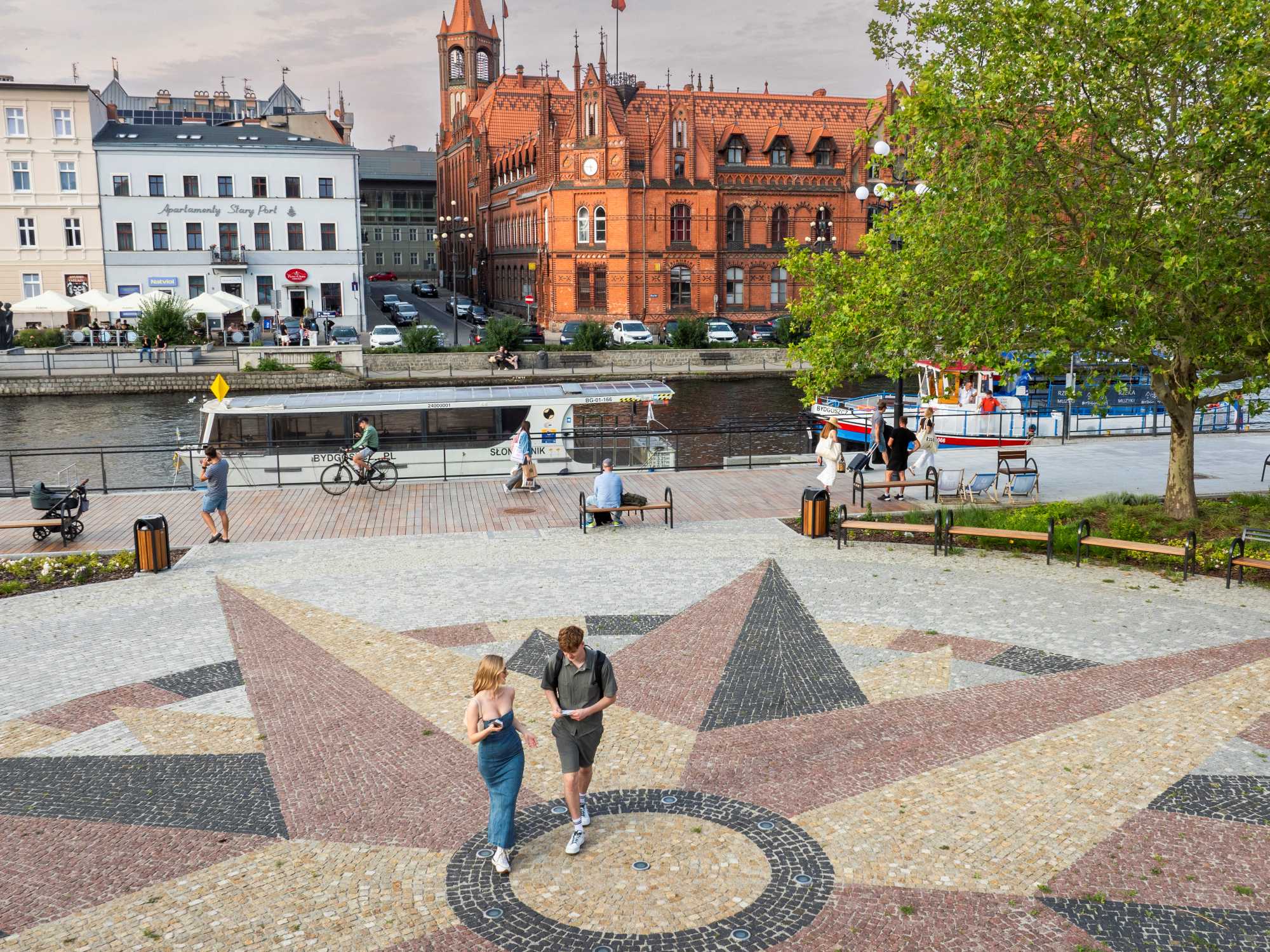
We begin our trip from the Fish Market. Here, starting from the Middle Ages, first boats and later – barges and steamboats were coming, bringing goods to warehouses and for sale at local marketplaces. For several hundred years, Bydgoszcz residents and local merchants were coming here for fresh and salted fish. The most popular delicacies among them were crayfish, which were coming from the clear waters of the Brda River. Starting from the early 20th century, fish trade moved to the marketplace built nearby, but for several decades afterwards there had been women in long dresses who continued to sell herring from barrels. The fans of the popular TV series “Four Tank Men and a Dog” can remember this place - in August 1968, the market was flooded for the needs of one of the episodes.
Lloyd’s Palace

B.Witkowski
A small Mannerist building, standing close to the Fish Market is Lloyd’s Palace, the only reminder of a complex built in 1885-1886 by sea captain Otto Liedtke. The owner turned this beautiful tenement into his house and lived in it until 1908, when the place was handed over to the Bydgoszcz Inland Navigation Society. After the First World War the little palace continued to fulfil its function, but as the office of Bydgoszcz Lloyd, one of the biggest shipping companies in Poland during the twenty-year interwar period. After another war, it became the property of the Bydgoszcz Navigation Authority.
Main Post Office
Bosiacki Roman
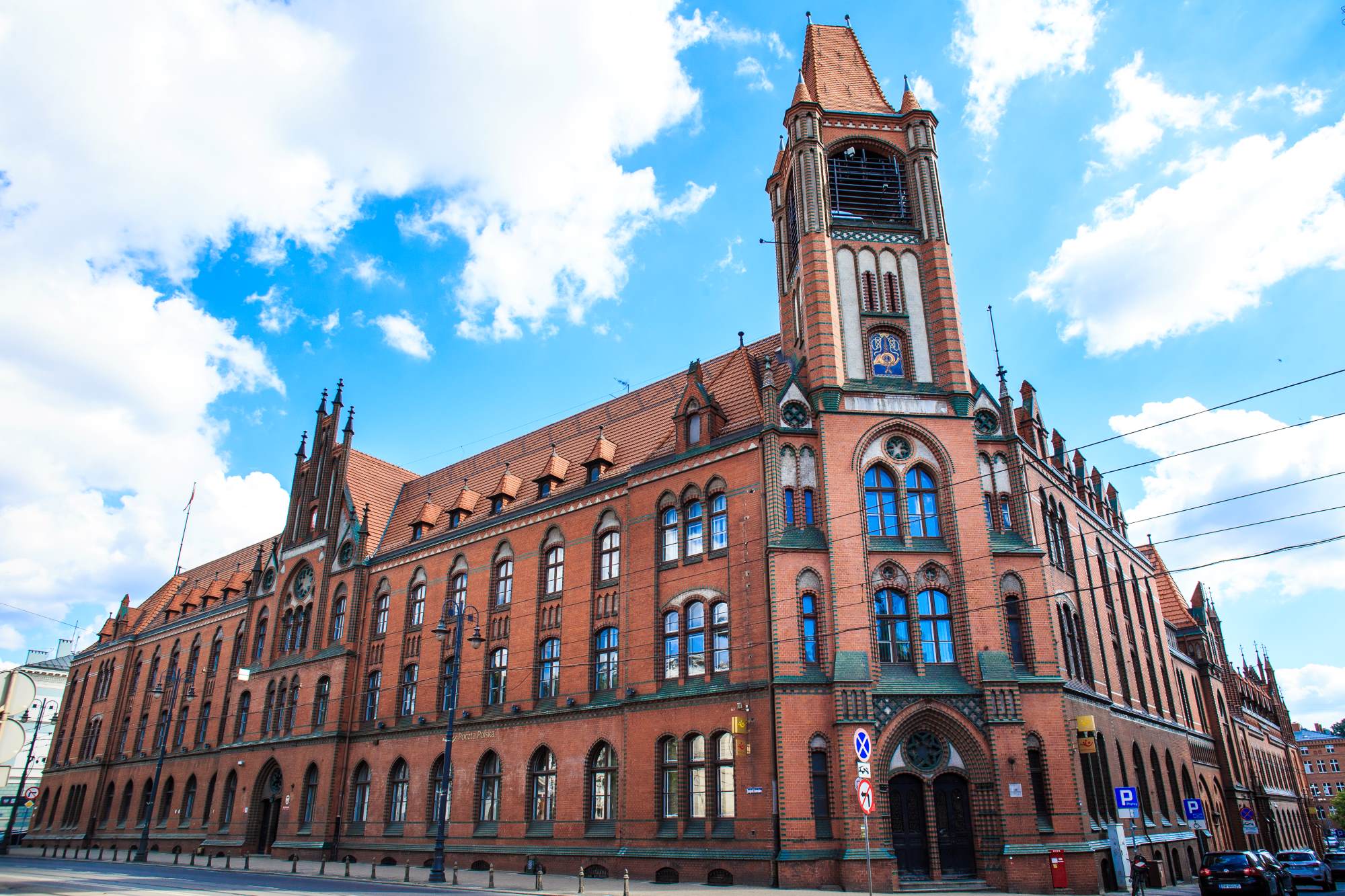
The stately, eye-catching brick building serves as the Main Post Office. The entire architectural complex had been constructed between 1885 and 1900. Earlier, this area was the property of the Prussian Army. Starting from the mid-19th century, it had been adopted for the needs of a postal building. The former royal stables were then used by horses working with postilions from the district operated by Bydgoszcz. Over the years, the rank of the city and post office had been growing. Administration was expanding, along with a new telegraph and later telephone departments. The new buildings had office rooms, a tower, in which telegraphic wires were installed, and apartments for post office employees, with windows overlooking the Brda River. The building has slightly changed with the passing time. Its façade was a little bit damaged during the war, losing some of its original embellishments.
Three Graces
visitbydgoszcz
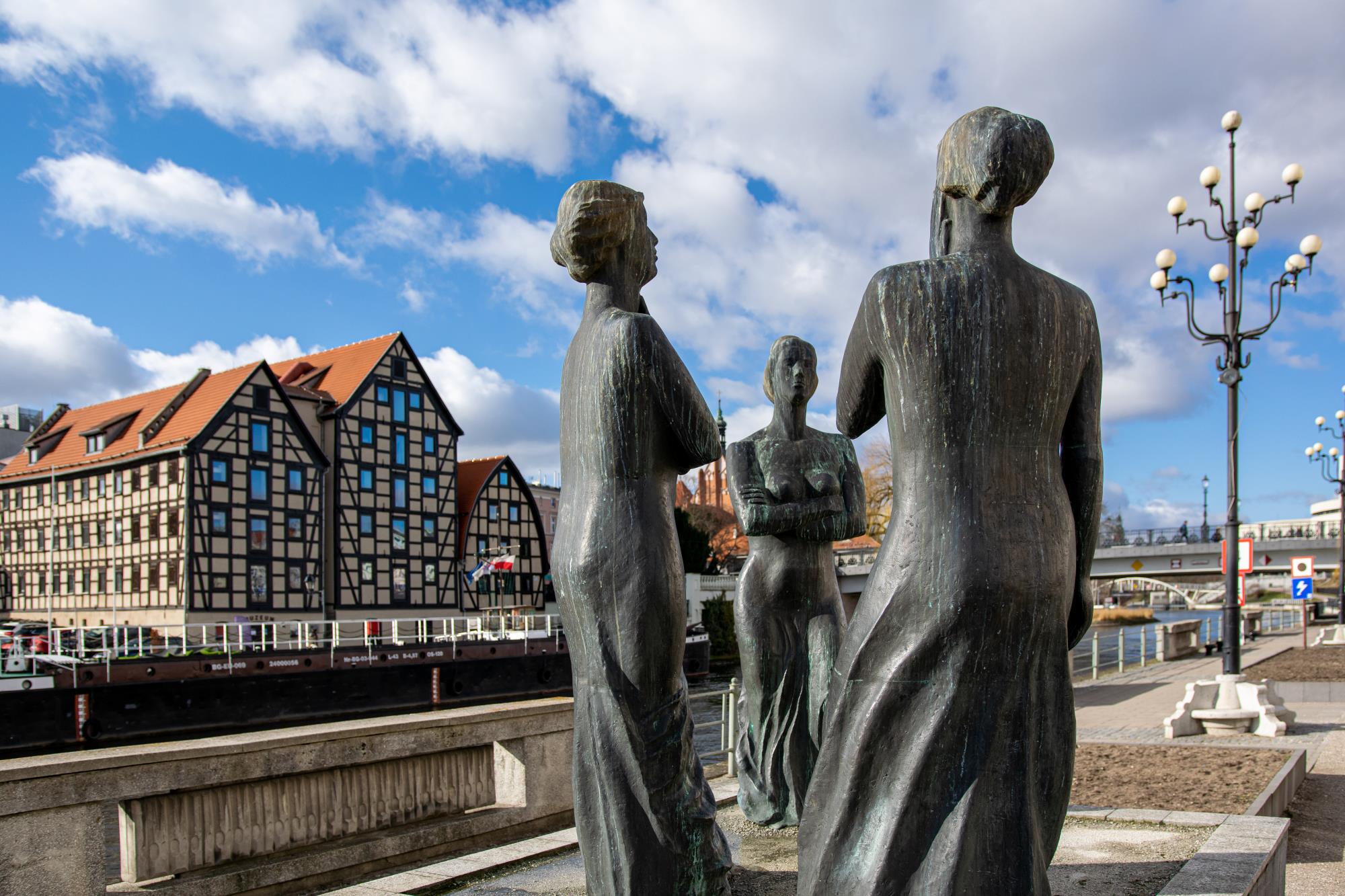
On the Brda riverside, in close proximity to the Main Post Office, there are Three Graces. They serve as an example of modern art, which looks great in Bydgoszcz. The sculptures were made by Jerzy Buczkowski in 1989. The Three Graces refer to Greek mythology, known as goddesses of charm, beauty and joy. Local residents call them frequently the three gossip girls or tradeswomen.
Where the Bydgoszcz Castle stood
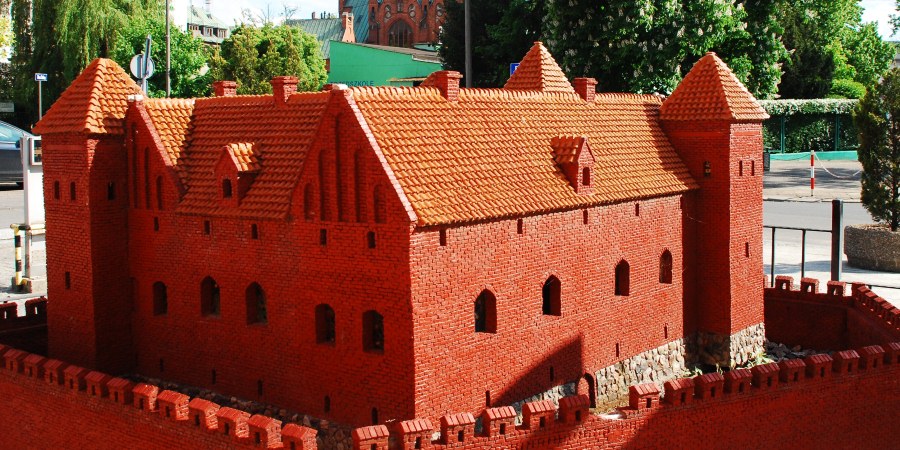
A model of the Bydgoszcz Castle is seen nearby the New Granaries, glass buildings designed by Jerzy Bulanda and Andrzej Mucha. Unfortunately, there is no trace of the original, medieval castle. The castle was built in Bydgoszcz at the request of King Casimir the Great in 1346. That period was known for the battles with the Order of the Teutonic Knights. In that time, the city was located in the border area. The brick stronghold was built on a hill, which was previously occupied by a wooden settlement. The castle was surrounded by a moat and the Brda River, separating it from the chartered city. For over 300 hundred years the castle served as the seat of Bydgoszcz starosts. The wars with the Teutonic Knights did not make significant damages. However, after the Swedish Deluge, it was turned into ruins. Starting from the 19th century, the stronghold had been gradually pulled down, and the bricks were used as building materials in other constructions.
The area of the Bernardine Monastery
fot.visitbydgoszcz
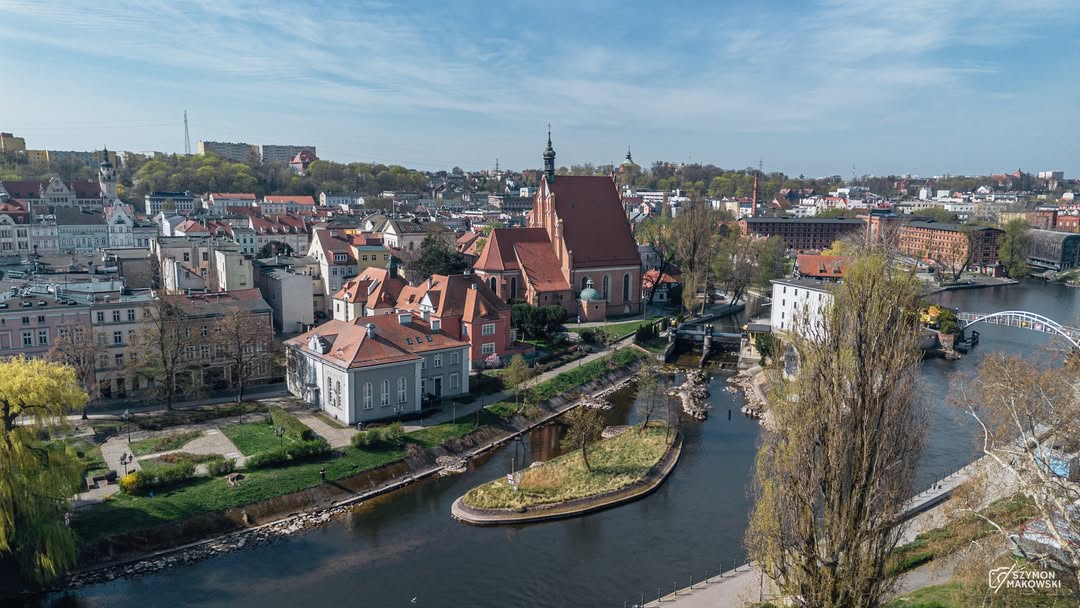
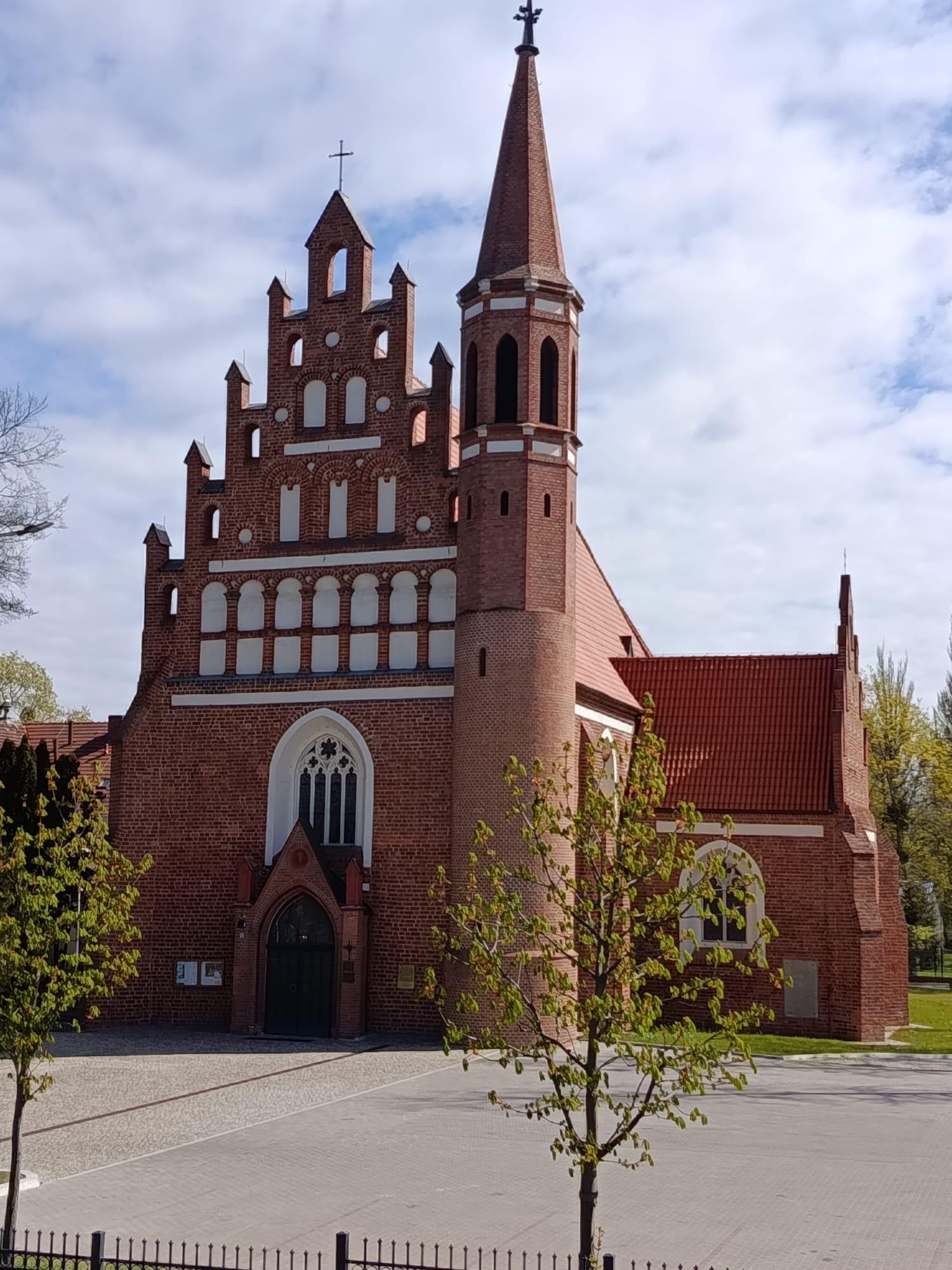
An area on the right bank of the river was once owned by the Bernardine Monastery. Some of the brick buildings, which house classrooms of students attending the University of Technology, remember the times of the monks who had lived in the area for almost 400 years. The Bernardines arrived in Bydgoszcz in 1480, establishing their third order in Poland. Before they built their own monastery, lived in the wooden Church of St Giles, now non-existent. During several decades, they built a magnificent complex of buildings. In addition to the gardens and a beautiful orchard, the estate consisted of a brick church, which after many reconstructions has been used to this day, now as the Garrison Church. Some of its original furnishings can be seen in the Bydgoszcz Cathedral. The Monastery complex also featured a brewery, an infirmary, a building for philosophy studies and a library, which collections have survived to this day.
Building of the former rowing society
B. Witkowski
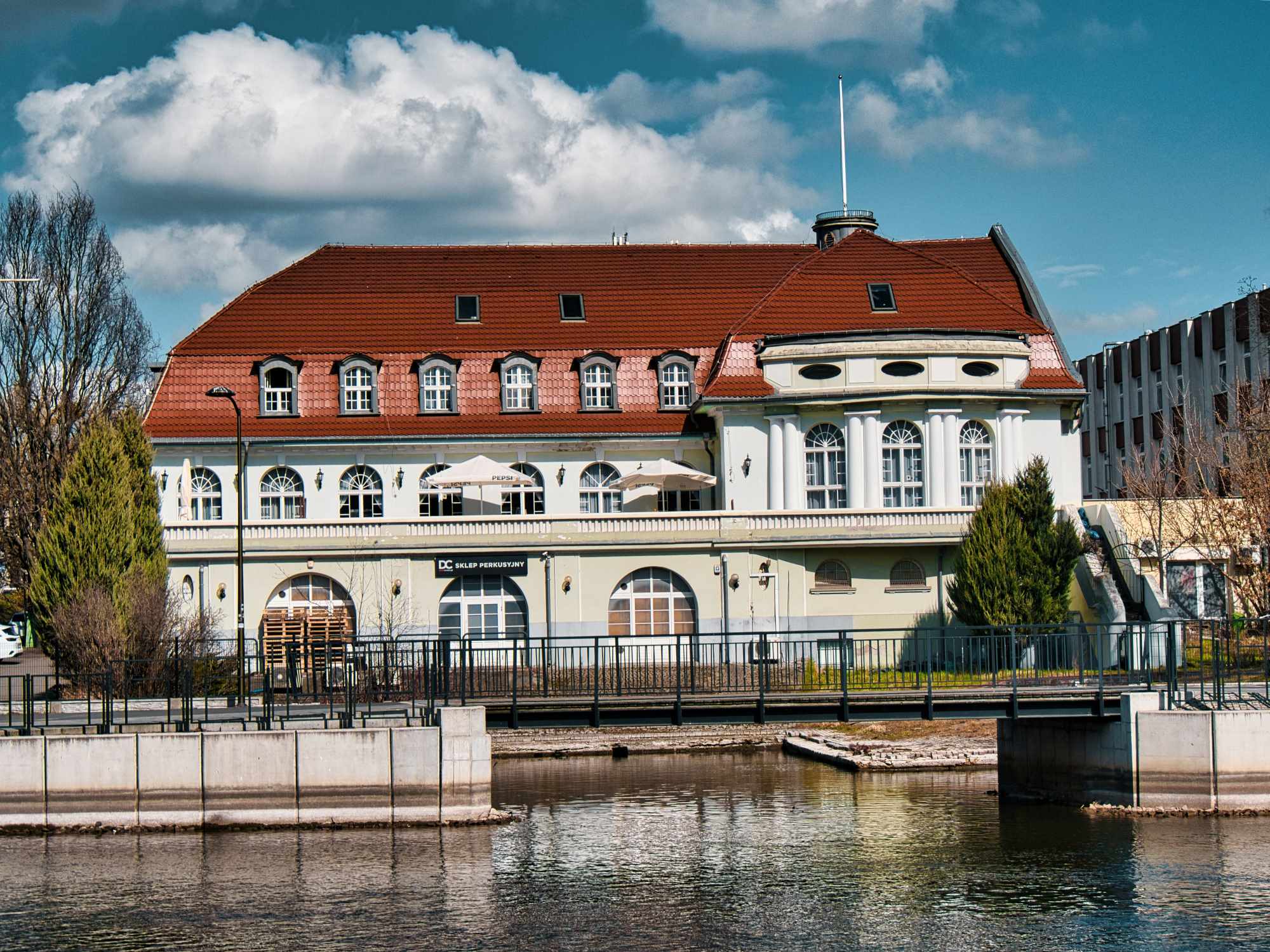
In front of the Bernardyński Bridge, there is a little palace that is over a hundred year old. It is related to the history of rowing in Bydgoszcz. It was built as an elegant seat of the German elite club called Frithjof. The lowest floor of the building was occupied by hangars, from which kayaks and boats were pulled to the ramp, before they entered the waters of the Brda River. The second floor featured a restaurant room, which hosted banquets known throughout the city. After the First World War, the palace was handed over for a brief time to the Polish Army, and later returned to Frithjof. Only after the Second World War, it became the seat of the Bydgoszcz Rowing Society, and as such it has been remembered by many residents of the city. Only in the late 1990s, the Bydgoszcz Rowing Society moved to a newer building across the river, and the old one was sold to a private investor, who opened a restaurant in it.
Municipal Gasworks

There are some old, brick buildings that stand out from the other structures on the left-bank of the city. It is a complex of the Municipal Gasworks. Due to its unique history and importance for development of industry in Bydgoszcz, the gasworks is one of the facilities on the TeH2O Water, Industry and Crafts Route. These days, gas is not produced in this place anymore and the buildings were reconstructed. The gasworks was built in 1860 as one of the first in Poland. In the beginning, it generated gas that illuminated gas street lamps in Bydgoszcz. Twenty years later, it was distributed to private homes. In the 19th century, gas was supplied to 250 users. Over the years the company had been growing at a fast pace, becoming the most important gasworks in the north of Poland. Other facilities that blended in the gasworks scenery included huge furnaces, built from the direction of today’s Jagiellońska Street, railway siding, as well as a host of barges.
Marinas for kayakers and rowers
fot.visitbydgoszcz
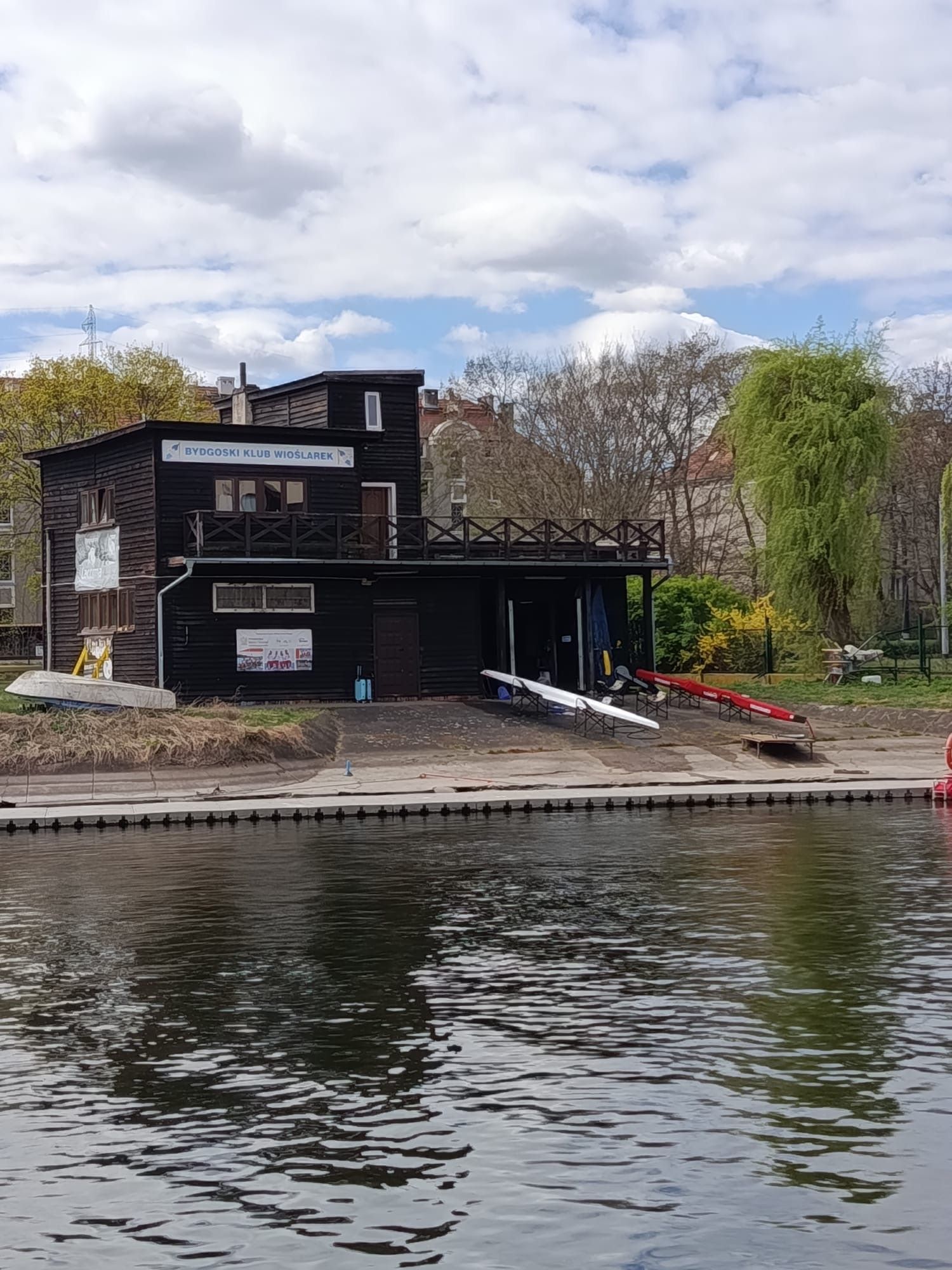
This neighbourhood is often called the Sports District. On the right bank, we notice several marinas, both historic and contemporary facilities. Starting from the 1920s, Bydgoszcz has been a Mecca for Polish rowing and kayaking enthusiasts. In the twenty-year interwar period, there had been 11 marinas for rowers, making rowing one of the most popular sports in the city. These days, there are several buildings that remember those times. Wooden marinas dating from the 1930s, which we can see, are the property of the Bydgoszcz Women’s Rowing Club. It existed as early as the 1920s and was the second oldest women’s club in the country. However, only in the 1930s there were funds to build their own seat, which has existed with unchanged exterior to this day
University Route
fot.visitbydgoszcz
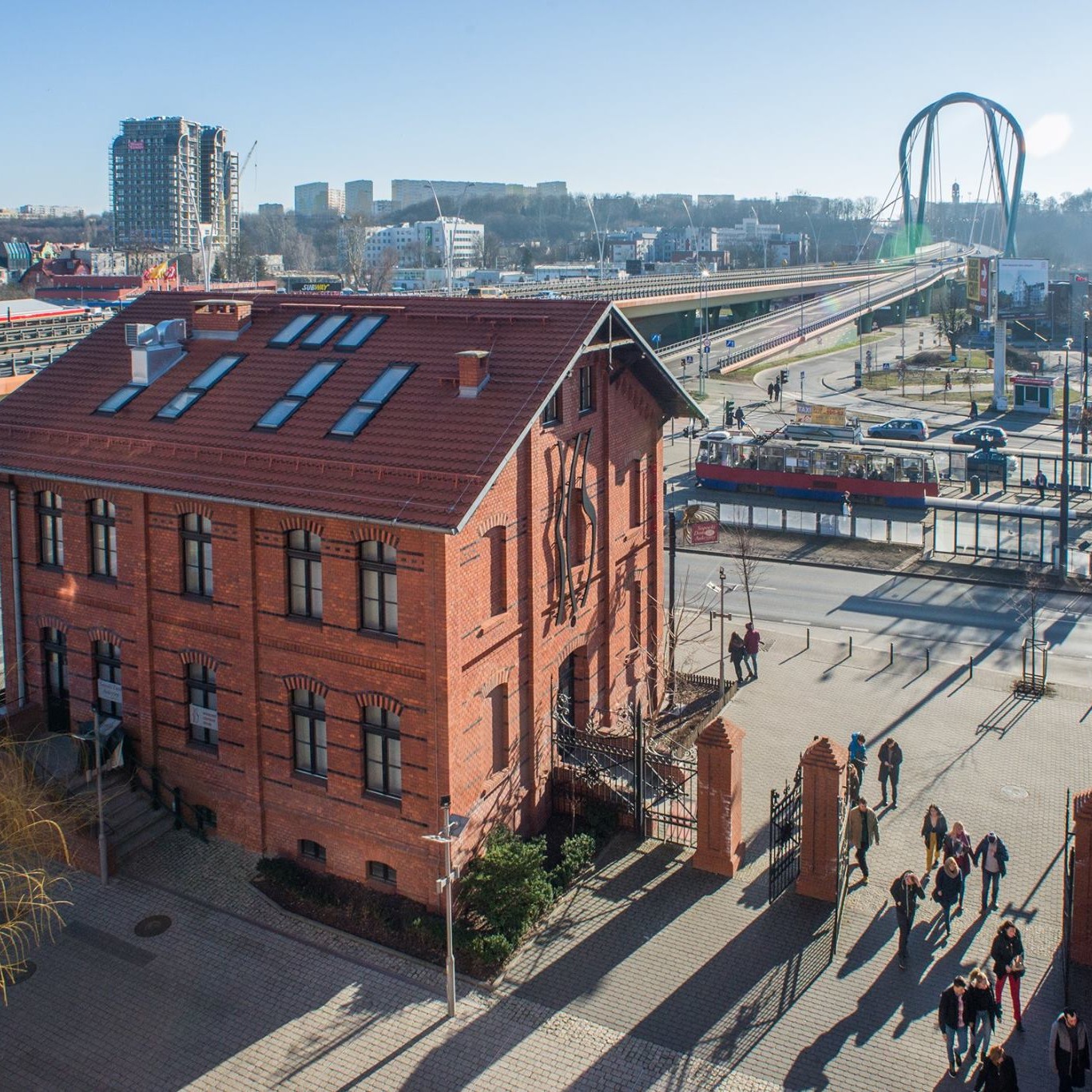
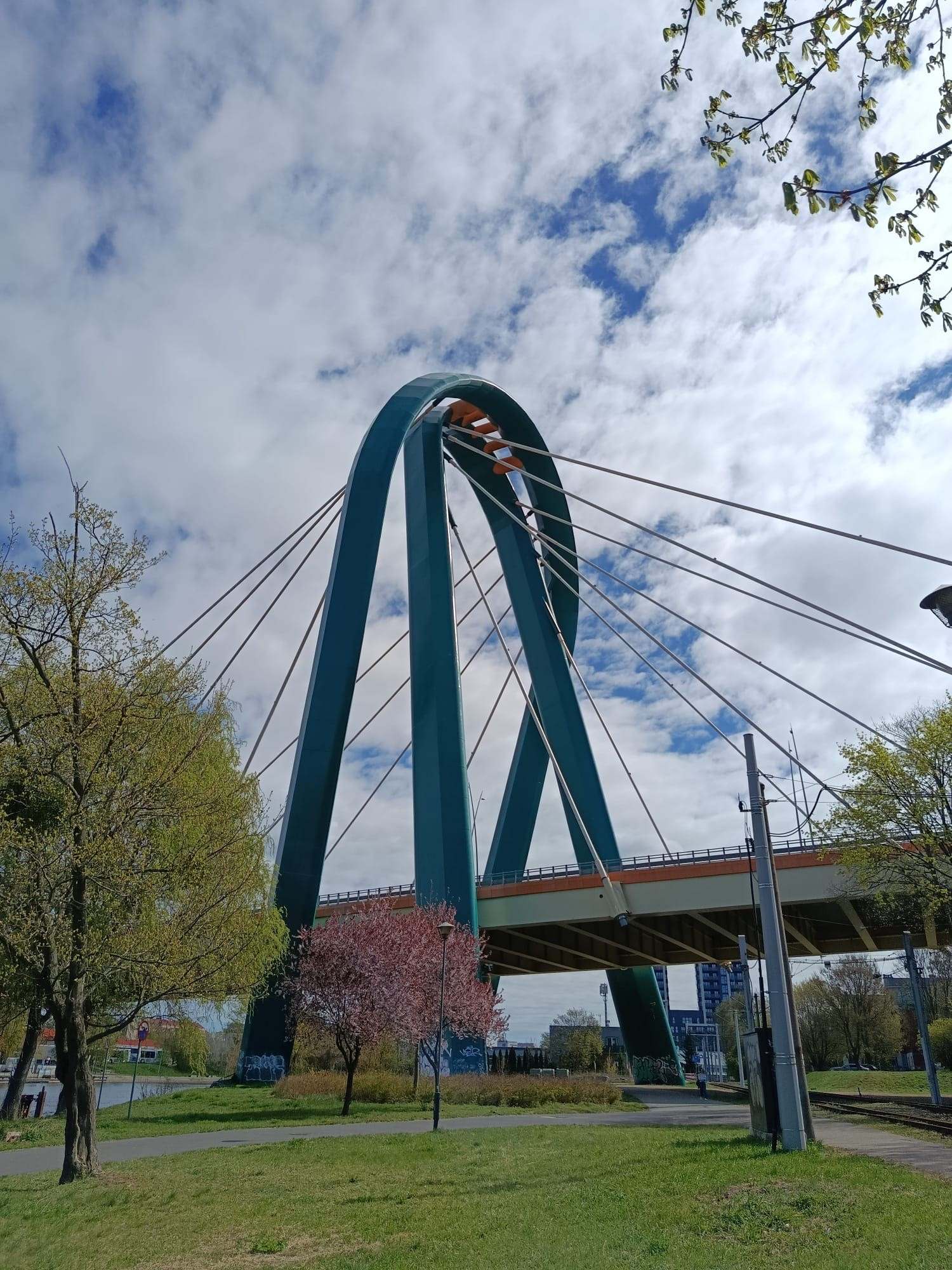
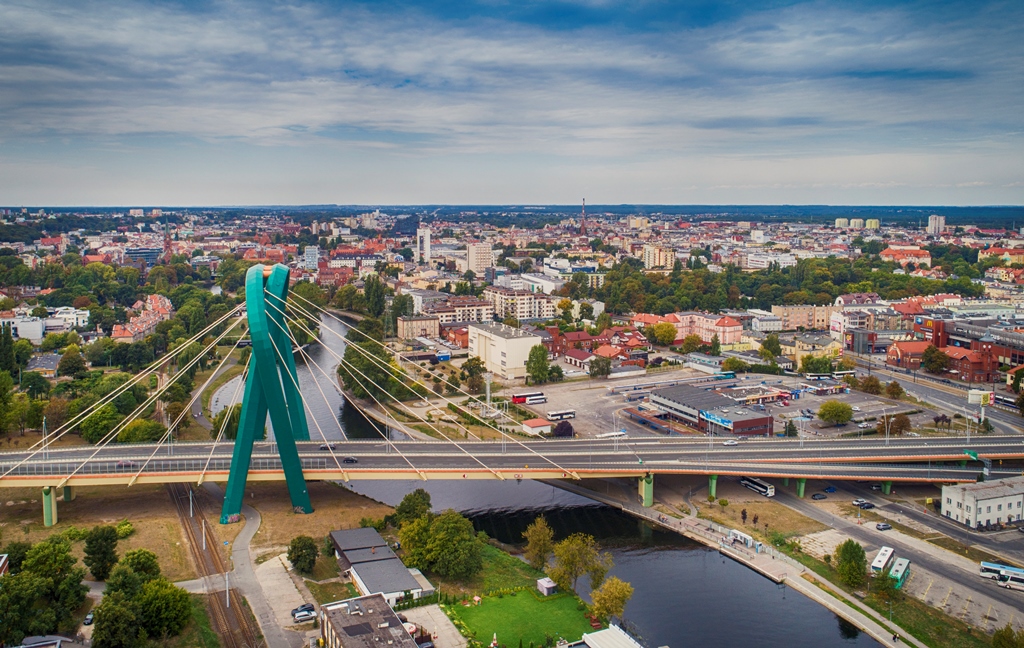
This unusual bridge is part of the University Route built in 2013. It is one of the latest investment projects in the city. The entire route is over 1.5 km long, where bridges and overpasses account for 720 m. Our attention is focused on the bridge pylon, which is almost 70 meters high. It consists of two intersecting horseshoes in the shape of Greek letters Alfa and Omega. The entire structure also looks beautiful after dark, when it is illuminated.
Manikowski Waterfront
fot.visitbydgoszcz
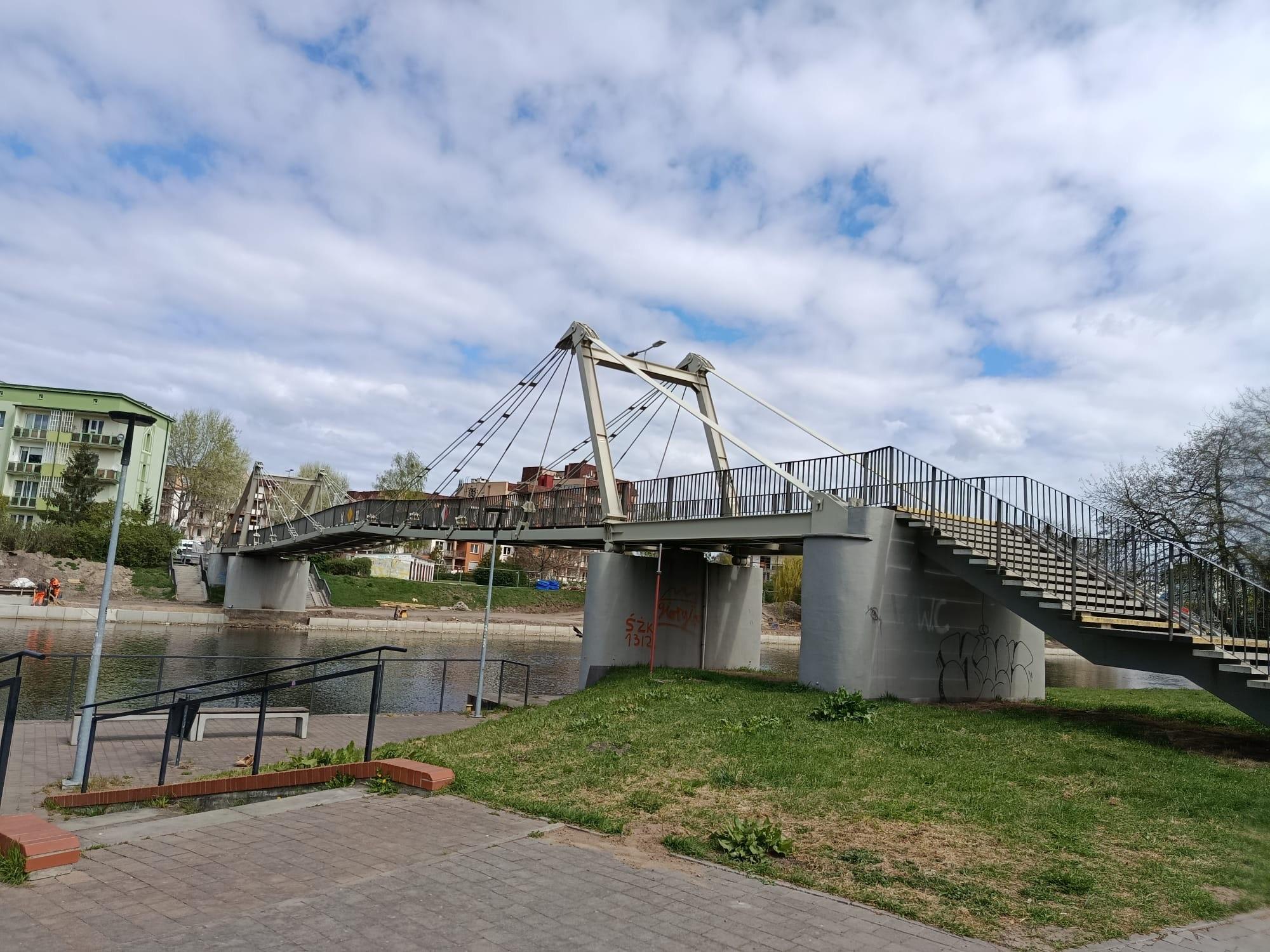
The waterfront was named after a family of skippers, which for many years, before construction of the footbridge and the Pomorski Bridge ferried Bydgoszcz residents to the other bank of the Brda River. Albert Manikowski, who is remembered by several generations of local residents, moored his boat in the proximity of the present footbridge. He got involved in ferrying people across the river by accident. A man passing by asked him to take him on the boat to the other bank of the Brda River. Manikowski agreed and when he moored, another person waited for him across the river with the same request. It marked the beginning of family business that had developed for over twenty years. The Manikowskis had a few boats, thanks to which they were able to provide service to bigger groups, for instance to the fans of Polonia, a speedway club that had its Sunday matches nearby, on the left bank of the river.
Sports halls
M.Zaborowski
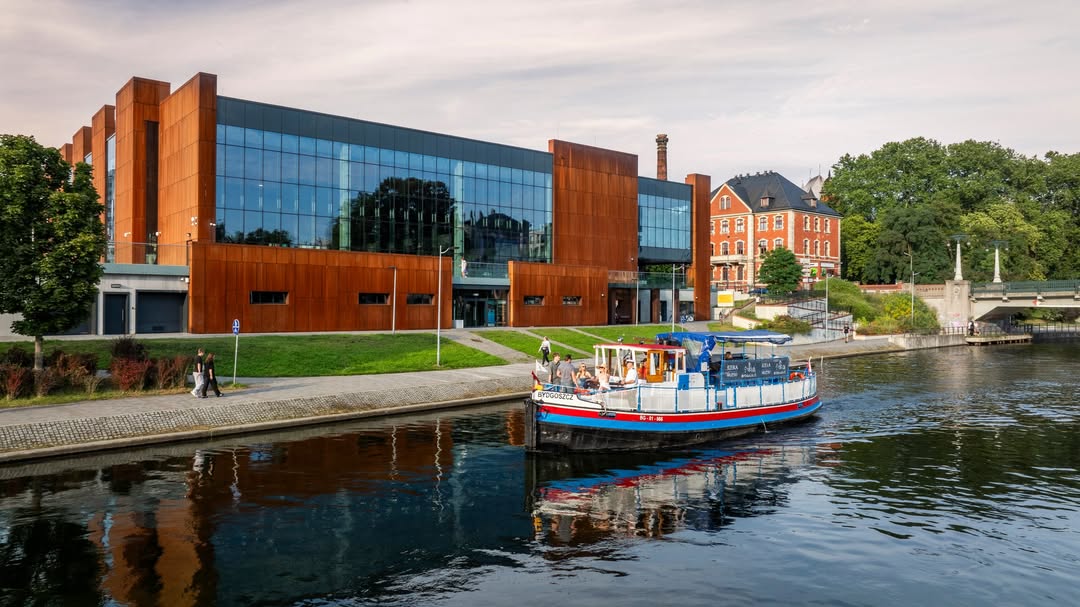
- - Torbyd skating rink, which was opened in January 2018. The exterior of the building is inspired by the shape of ice crystal. Silver cladding and glass dominate on its façade. When it’s dark, the triangular façade joints are illuminated. The skating rink has the dimensions of a full-size ice hockey rink.
- - Immobile Łuczniczka Hall (2002). The name refers to one of the symbols of the city, which is the Archer Lady (Łuczniczka) statue. The venue has for years organized sporting competitions, including international events. In addition to sporting events, Łuczniczka hosts many concerts and trade shows.
- - Grupa Moderator Arena (2014). Built on the occasion of the Volleyball Men’s World Championships held in Bydgoszcz in order to create convenient training conditions for teams playing their games.
Słoneczny Młyn Hotel (Sunny Mill)
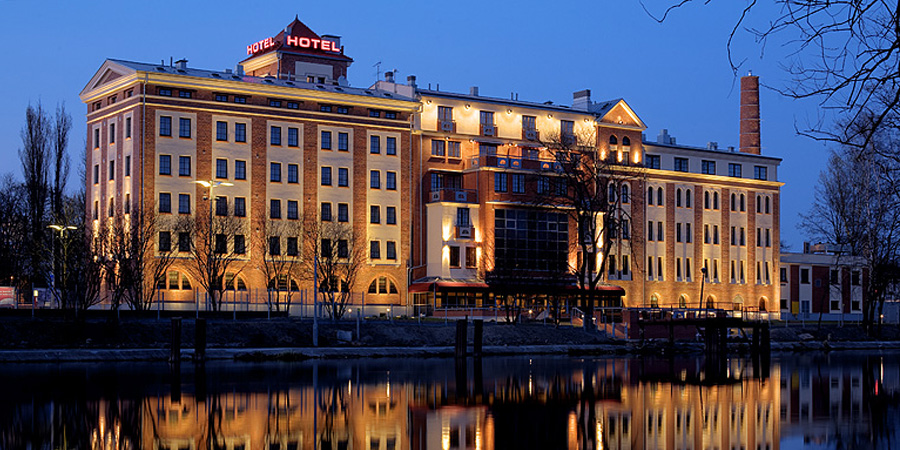
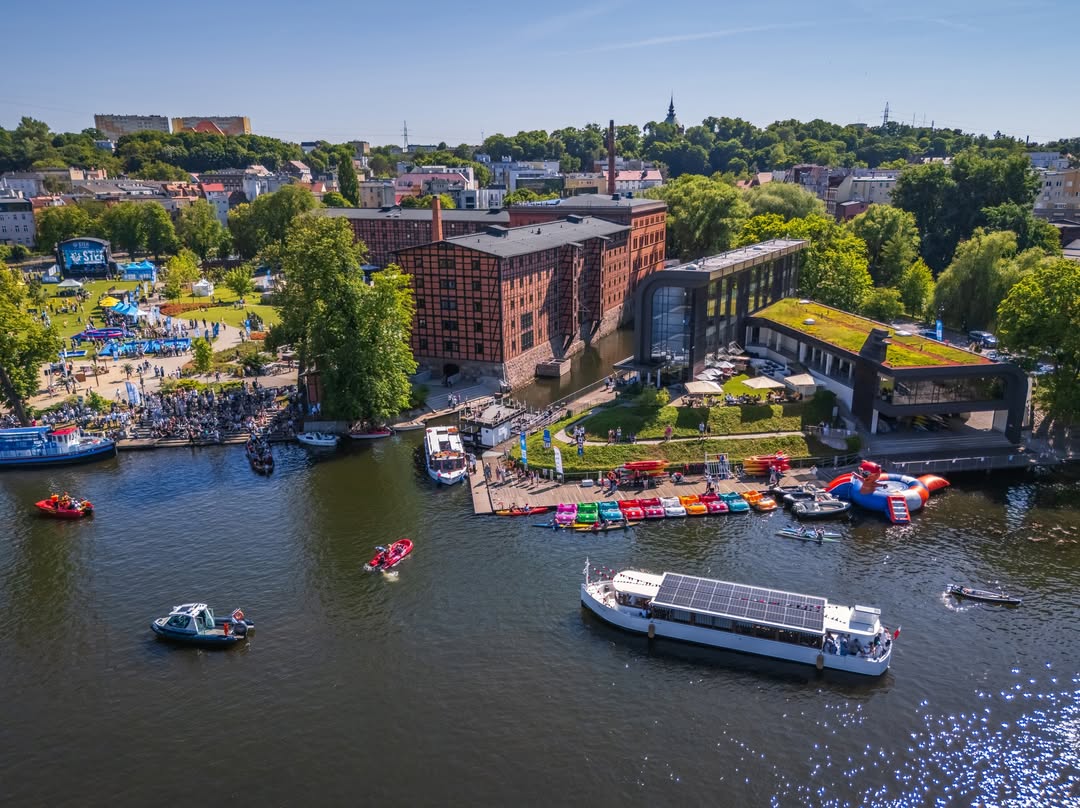
The buildings are much older than the hotel, which name refers to its previous function (młyn = mill). Starting from the Middle Ages, Bydgoszcz had been involved in trade in grains; granaries and mills were built in many places. They existed on this site at least starting from the mid-19th century. Originally, a small steam-powered mill was built, but the subsequent owners expanded production. In the late 19th century, they built a grain elevator and granary, adding new machinery as well. In addition, they built a narrow-gauge railway transporting grains from the pier where barges moored. In 1915, a five-storey grain warehouse with a tower was constructed, which currently constitutes the main structure of the hotel. The hotel also has interesting interiors. In one of them, there is a chandelier running throughout the entire height of the building, built from more than 90,000 small, hand strung crystals.