Historic buildings in Bydgoszcz
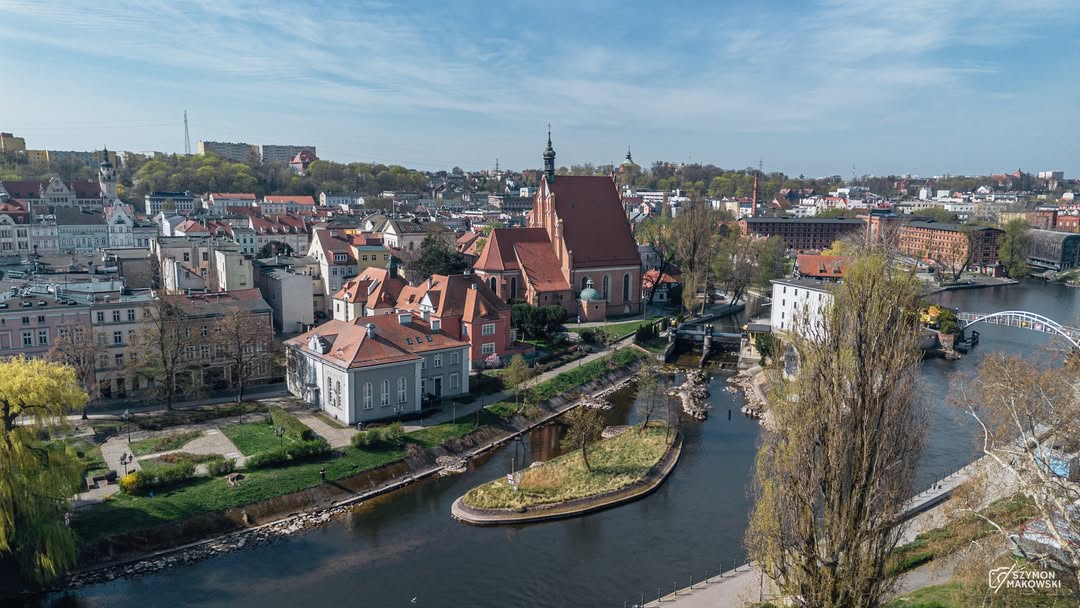
Discover the buildings that have stood the test of time and witnessed the most important events in the history of Bydgoszcz. From the oldest religious structures to majestic townhouses whose facades hide extraordinary stories about their former residents. We invite you on a journey through Bydgoszcz’s historic sites, where every architectural detail—whether the half-timbered structure of the granaries or the intricate decorations of Art Nouveau townhouses—creates a unique mosaic of the past and the present.
In the Footsteps of Old Polish Bydgoszcz
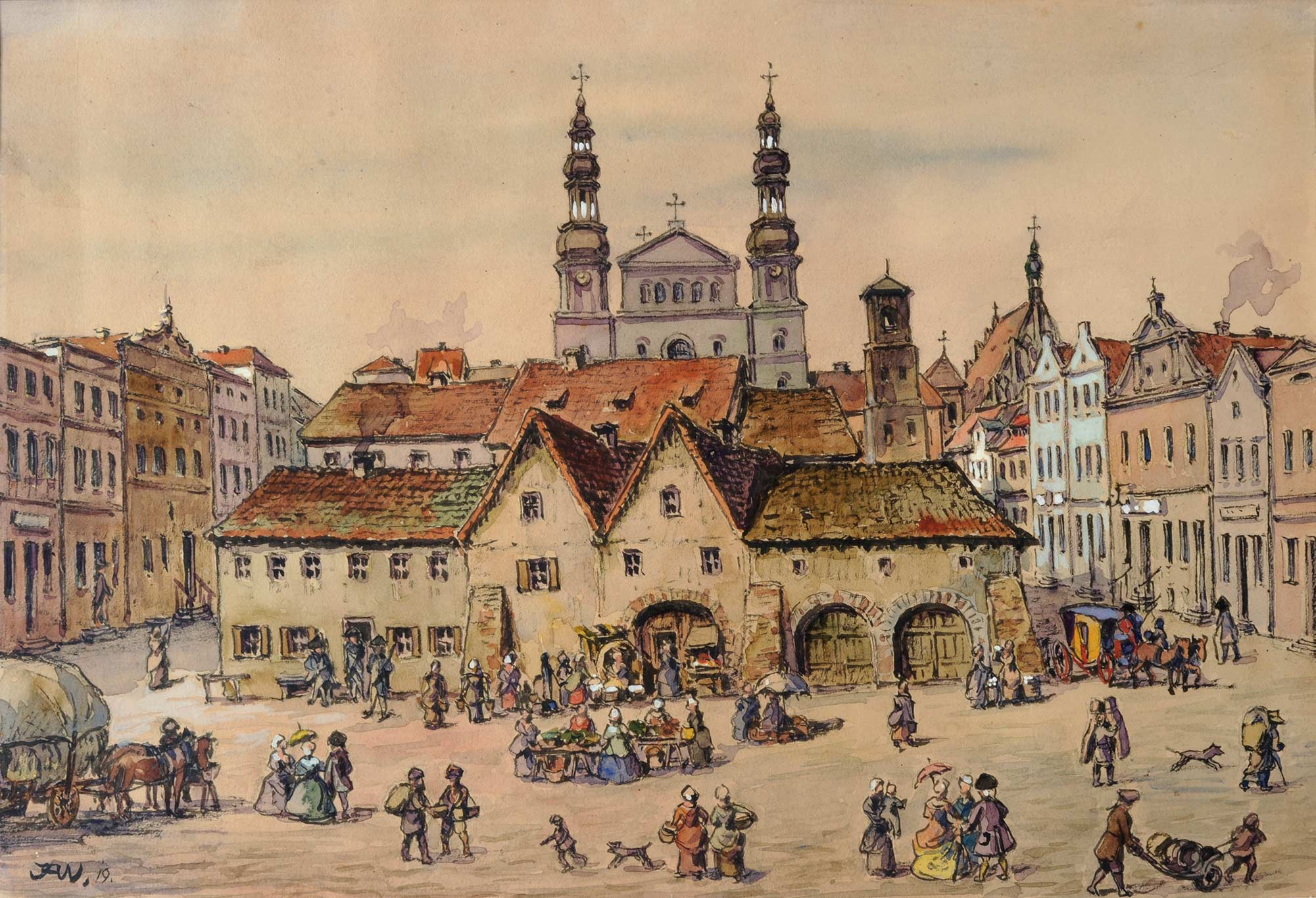
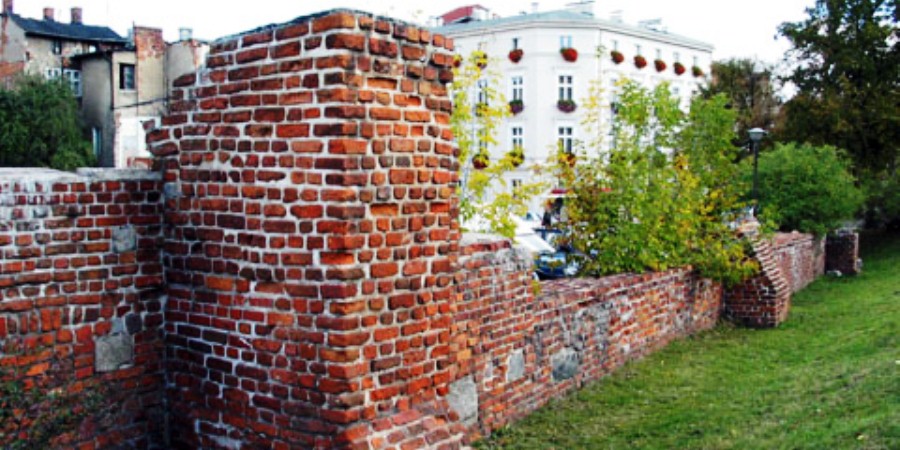
Travel back in time to the centuries when Bydgoszcz was shaping its significance as a key trading hub and a strategic outpost on the map of the Kingdom of Poland. Discover the city’s oldest landmarks—from the austere, Gothic walls of the cathedral and the secrets of ancient monasteries, to the remnants of medieval city fortifications. Explore the architectural heritage of the Old Polish period that has withstood the centuries to tell the story of royal charters, thriving craft guilds, and the golden age of the city on the Brda River.
Key Heritage Sites from the Old Polish Period


The Hydrotechnical Heritage Trail
Explore a fascinating world of historic technology, where mankind harnessed water to forge one of the most vital inland waterways in this part of Europe. The hydrotechnical heritage of Bydgoszcz features not only picturesque locks and dams, but stands as a testament to the brilliant engineering minds of past centuries. Discover the inner workings of the historic Bydgoszcz Canal, marvel at technical innovations unique to Poland, and immerse yourself in the city's industrial soul, which continues to beat in harmony with the flowing river.
Bydgoszcz Canal
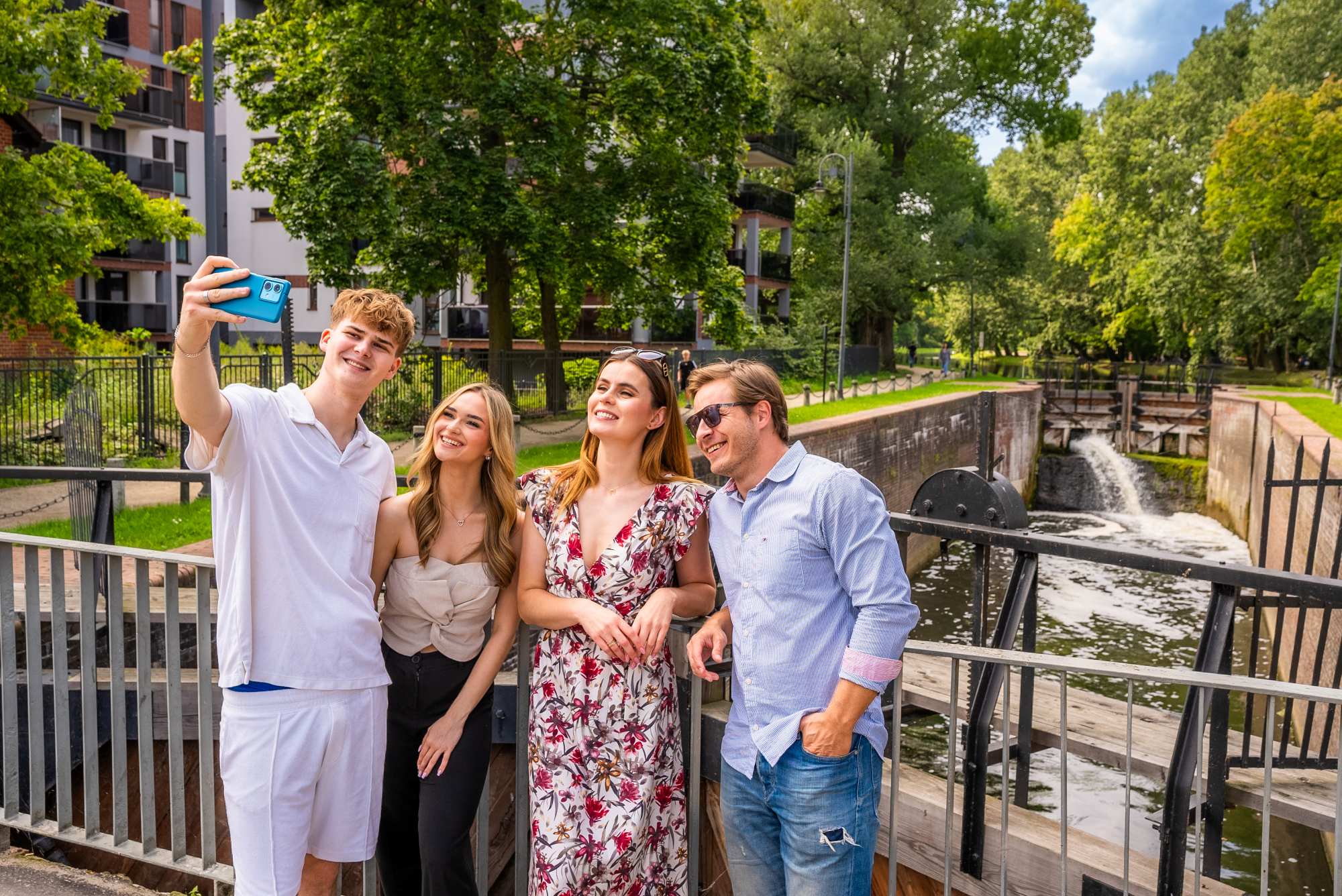
Marcin Zaborowski
The Bydgoszcz Canal is an engineered waterway conceived during the Kingdom of Poland, then refined and constructed between 1773 and 1774, shortly after the First Partition of Poland, under the Prussian King Frederick II. Today, it serves as a key historical and tourist attraction in Bydgoszcz.
Measuring 26.77 km in length, the canal was built in just 18 months by nearly 10,000 workers, with approximately 2,000 losing their lives due to harsh conditions. It connected Bydgoszcz with Nakło and linked the Vistula and Oder river basins through their tributaries. This project completed an inland waterway planned since the 16th century, which became commercially important and offered an alternative to the sea route through Gdańsk. Continuously modernized and repaired since its opening, the canal played a major role in water transport. It was used, among other things, to transport timber from Russia and Congress Poland to the German Empire, driving the development of local trade and industries, particularly timber, machinery, and furniture manufacturing.
At the turn of the 20th century, the canal was operated by nearly 3,000 rafters working for the largest shipping company, Bydgoszcz Lloyd. Additionally, from the 1840s onward, the canal within the city and suburban areas led to a thriving social scene centered around restaurant and entertainment venues established nearby.
We invite you to take a walk along the canal.
It is a great place to experience the history of Bydgoszcz. Walking among the historic trees, you can easily picture the old barges and timber rafts being locked through. To learn more and see authentic artifacts from those times, be sure to visit the nearby Bydgoszcz Canal Museum.
Hydrotechnical Heritage in Bydgoszcz


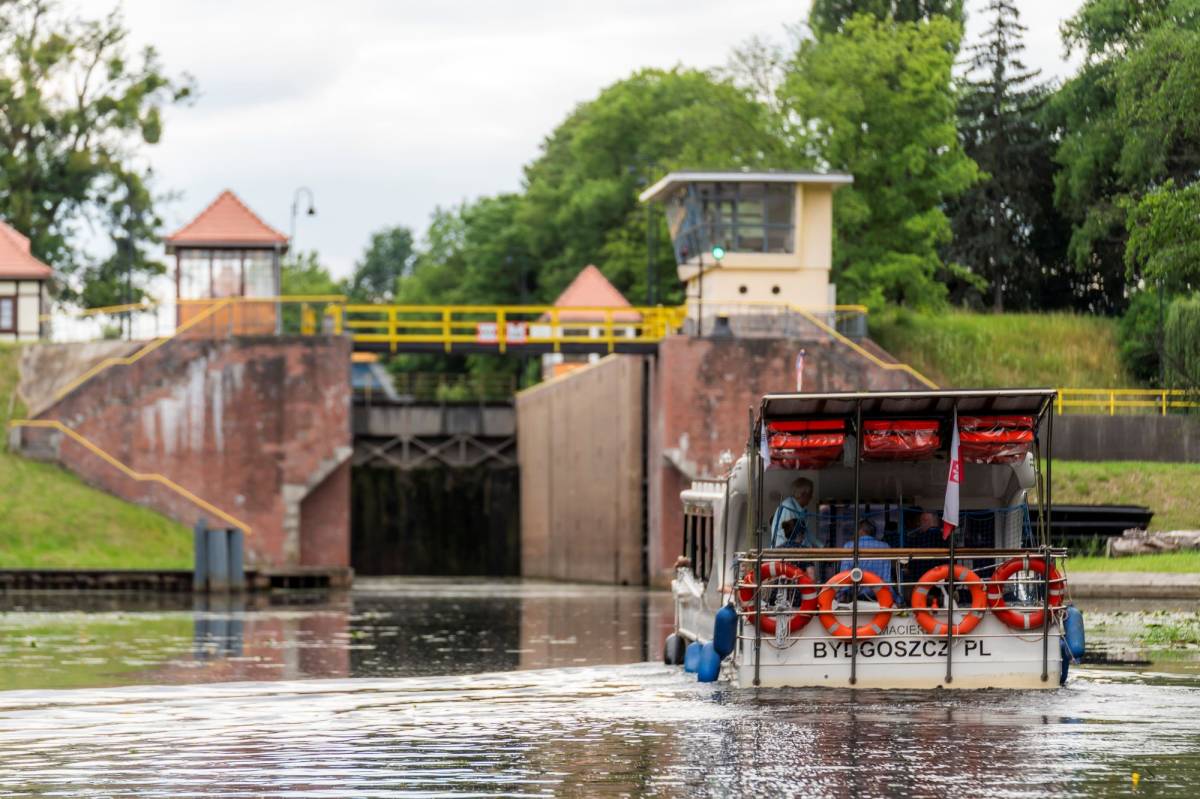

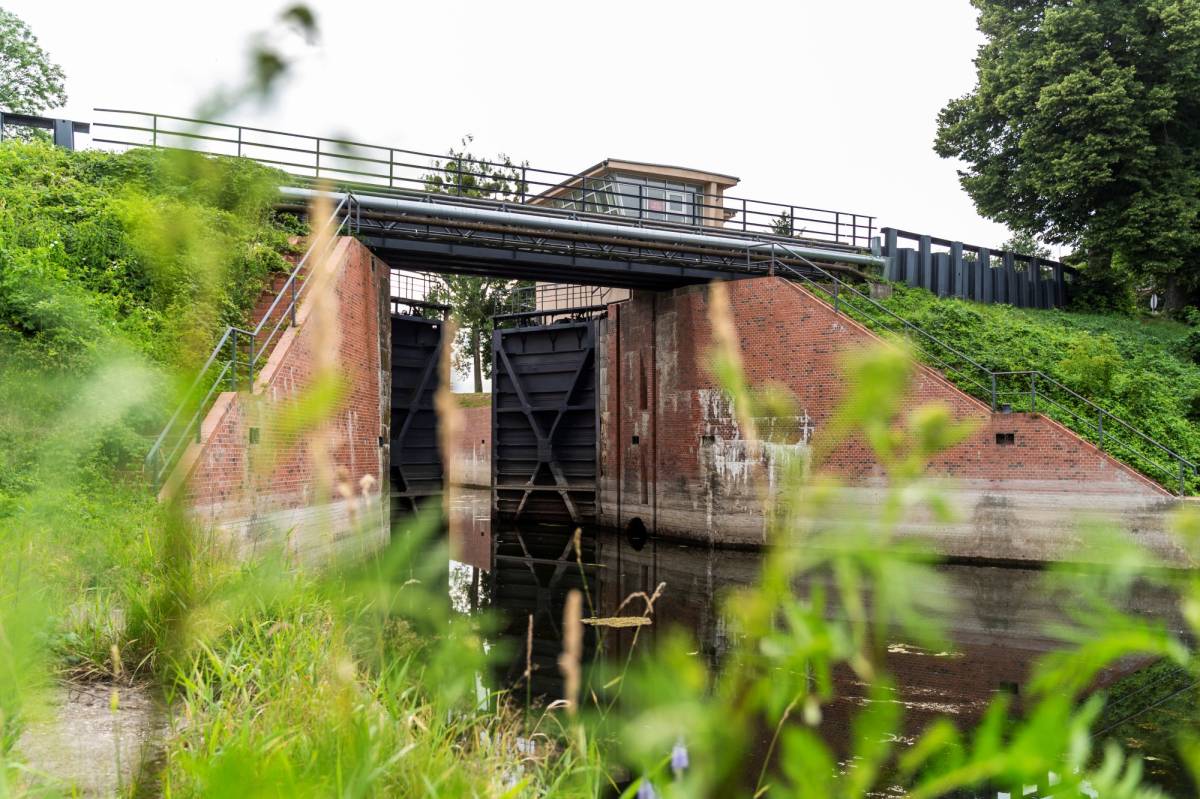
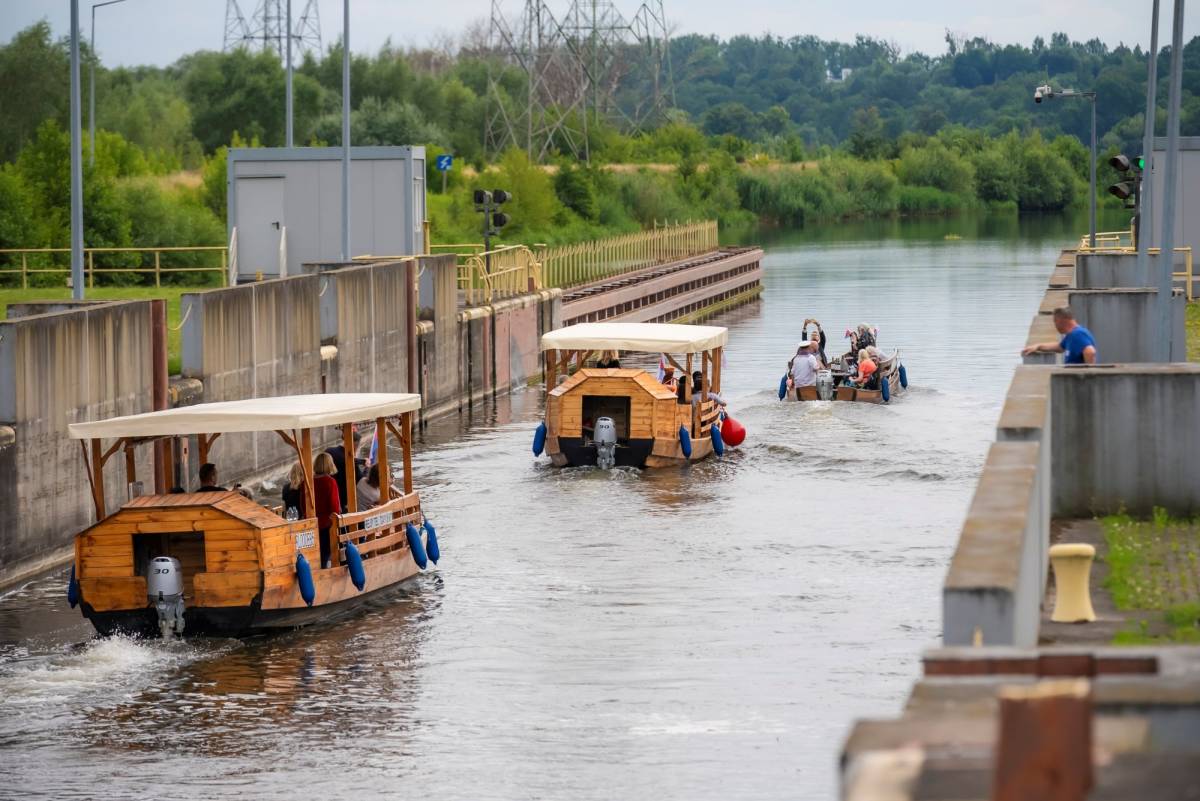


Granaries on the Brda River
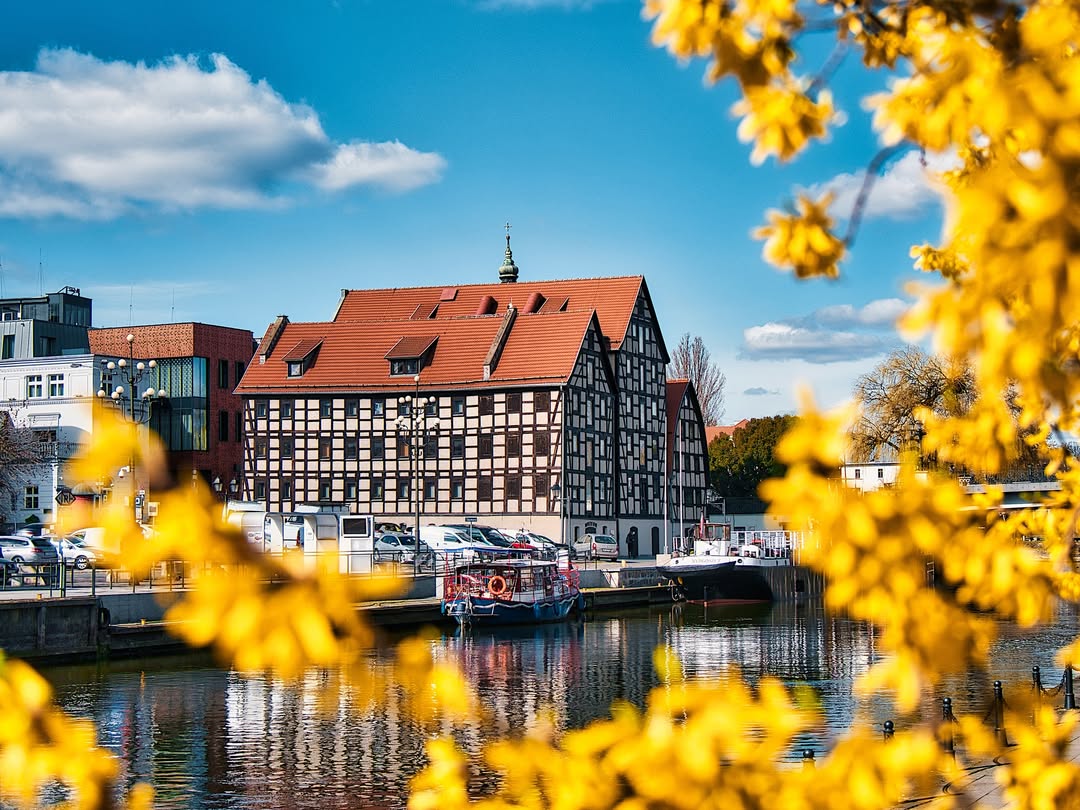
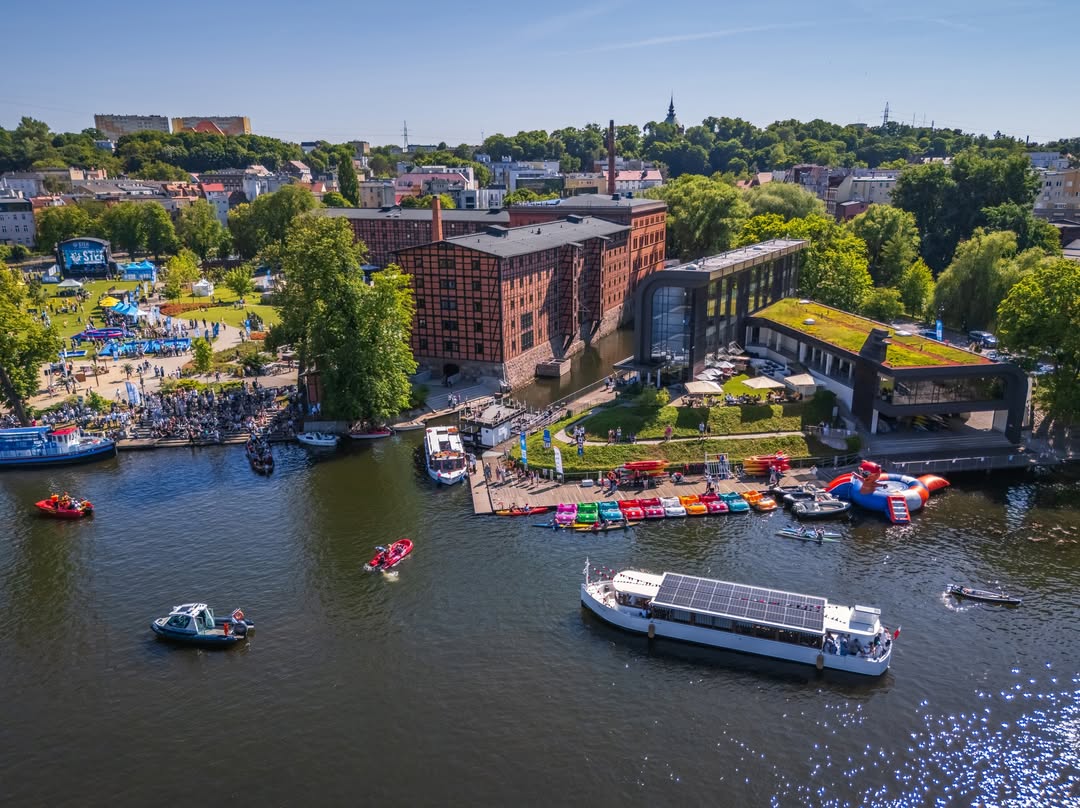
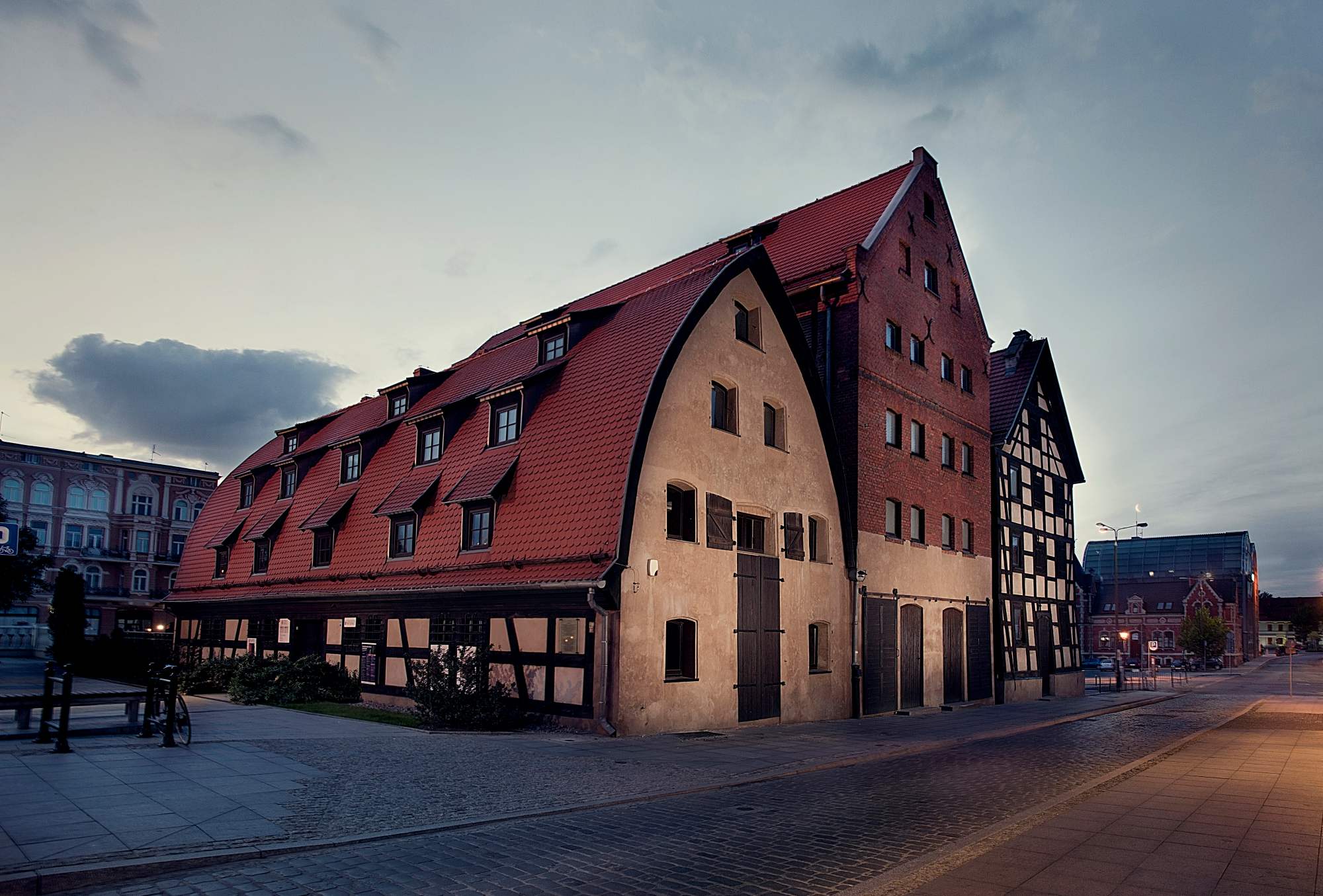
Visit Bydgoszcz's historic storage buildings, which now house modern exhibitions. These granaries form a well-preserved complex of timber-framed architecture situated along the riverbank. Inside the three granaries on Grodzka Street and the Flour Granary on Mill Island, you can explore various historical and art displays. Visiting these renovated structures provides a clear look into Bydgoszcz’s past as an important inland trade hub.
Filip Kowalkowski
The historic granaries along the Brda River are widely recognized symbols of Bydgoszcz. Although simpler in design than the city's decorative townhouses or churches, they reflect Bydgoszcz's historical importance as a trading hub. The city developed at a natural crossroads of land routes connecting Greater Poland, Pomerania, Krajna, and Mazovia, alongside the Vistula River—Poland's primary trade route.
Near Bydgoszcz, the Vistula connects with the Brda River, which since the 18th century has been linked via the Bydgoszcz Canal to the Noteć and Oder rivers, creating a connection to Western Europe. During the 15th and 16th centuries, Bydgoszcz grew rapidly, driven by trade. The main commodity was grain from the Kujawy, Krajna, Greater Poland, and Pałuki regions. Other traded goods included local crafts, agricultural products, timber, pottery, beer, wine, honey, salt, and imported spices.
As a St. Bernard monk wrote in 1604:
"Thanks to this charitable river, the town has achieved so much splendor and wealth that nobility from other places, seeing that their property is melting away, come to Bydgoszcz to cover their losses by buying grain and sending it to Gdansk. Citizens who give their daughters in marriage, offer a respectable dowry".
The city quickly exceeded the designated area within its city walls.
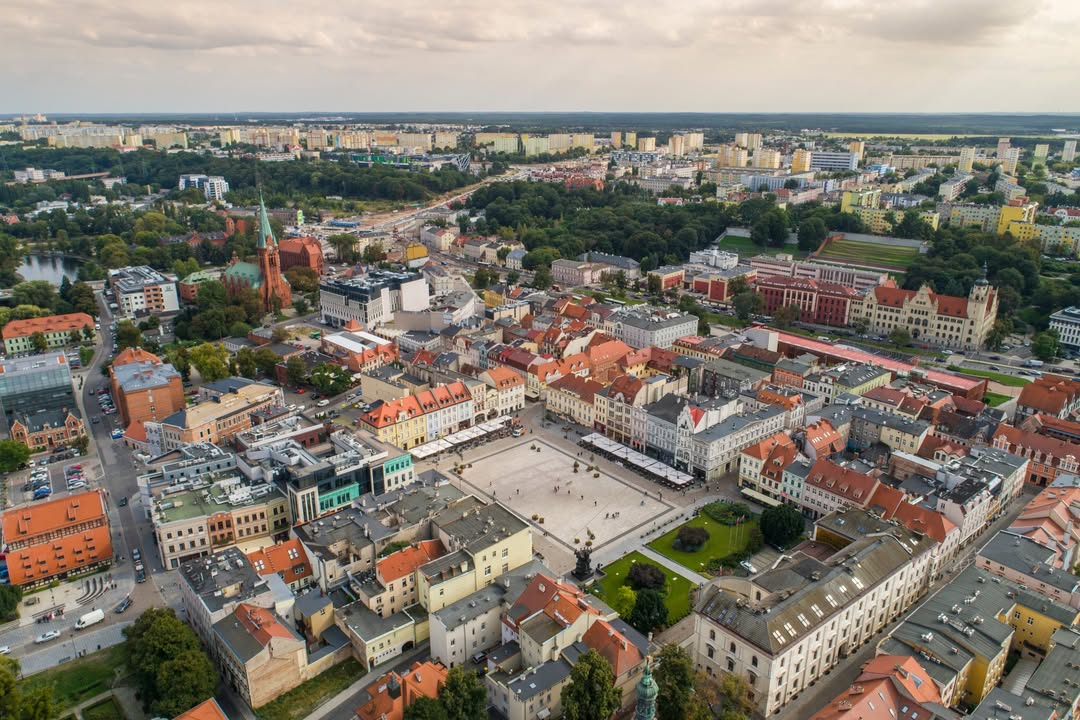
Economic prosperity acted as a magnet and attracted the development of settlements in the city. And what do you think, how did Bydgoszcz develop spatially from the fifteenth to the nineteenth century? Concentrically around the Old Market Square and the Town Hall? Not at all. Just look at the historical and contemporary maps. Bydgoszcz developed along the Brda River - west along the Bydgoszcz Canal and east towards the Vistula.The current center of Bydgoszcz, from the former castle in the east, to Mill Island in the west, used to be one big docking port. On both sides of the Brda there were granaries, warehouses, marinas and repair shipyards. On the river banks there were also Carmelite and St. Bernardine monasteries and Clarist convents, but mostly granaries. The Brda was of utmost importance for the city.
The seventeenth century town mayor Wojciech Łochowski wrote proudly in his Chronicle:
"Bydgoszcz is famous for its harbor. On both sides of the river there are magnificent buildings, worth seeing, built exclusively for the storage of large quantities of grain arriving from Wielkopolska, all over Pałuki, Krajna and Kashubian regions. It is difficult to find another city in the Polish Kingdom where every year such large quantities of grain are collected and exported to Gdansk. Returning to Bydgoszcz from Gdansk, up the river, there's herring, sea salt, oranges, wines from France, the Rhine, the Canaries, Crete, and Malvasia".
During the Polish partition, the importance of water trade did not diminish. On the contrary, between 1772-1800, the Bydgoszcz Canal to the Noteć and the Oder experienced a boom, the former Mint Island was converted into Mill Island, on which an entire complex of mills and granaries, among others, was built. This provided the food supply of the Prussian army. It was also around that time, that the huge Royal Granaries were erected just next to Mill Island and the city, in the bend of the Brda. They were destroyed during the Second World War and replaced by the modern New Opera House.
Waterway transport flourished until the second half of the nineteenth century, when it began to be gradually replaced by railway.
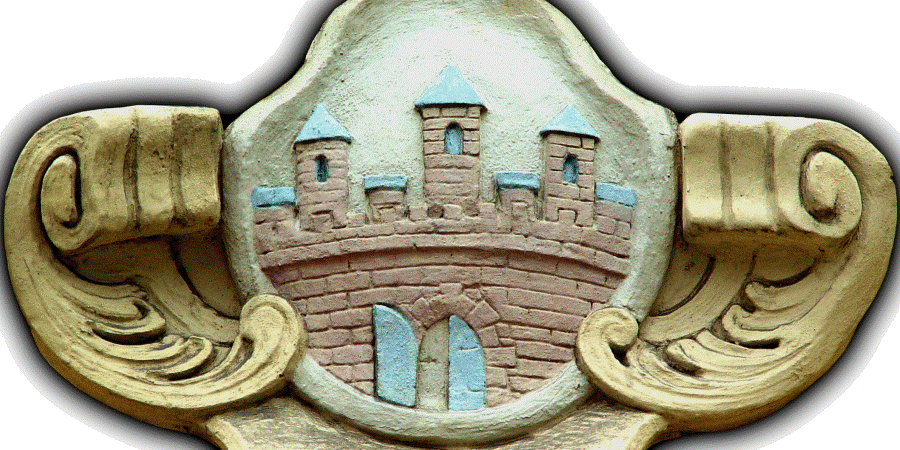
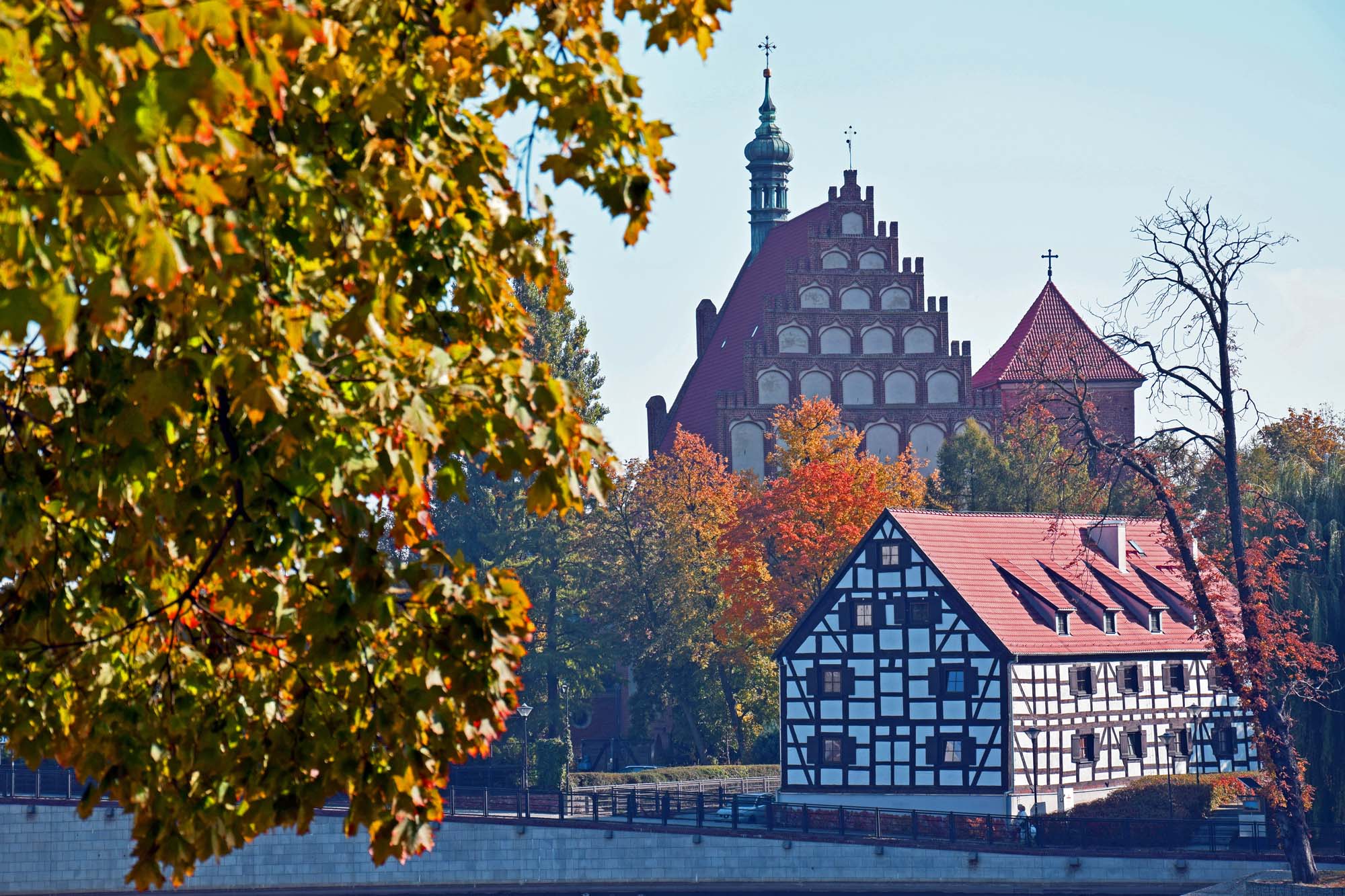
To this day, a few historical granaries have been preserved in Bydgoszcz, of which only four date from earlier than the nineteenth century. All of them are on the banks of the river, in the city center, all half-timbered and all currently functioning as museums. The three granaries at 9 – 11 Grodzka Street, (which are also the modern logo of Bydgoszcz) were built in the years 1793-1800, by the merchant Samuel Gotlieb Engelmann.
The original complex in Grodzka St. consisted of five granaries in a row. In 1960, two of them were destroyed completely (13 and 15). However, they were so firmly inscribed in the urban tradition, that many Bydgoszcz voices spoke up for their reconstruction. The preserved granaries were turned into museum exhibitions in 1962 and a major overhaul and modernization of the interior was completed in 2006.
A particularly favorite spot of Bydgoszcz citizens is the characteristic granary next to Mostowa Street, sometimes called "Dutch" because of its gabled roof style. In front of the granary there's a small amphitheater, and a medieval bronze model of Bydgoszcz.
The oldest Bydgoszcz granary is called the White Granary on Mill Island.
visitbydgoszcz
It was built in the fourth quarter of the eighteenth century, just next to the already defunct Warehouse Bridge. The bridge has been replaced by a modern pedestrian footbridge connecting Mill Island with Opera Nova.
In 1975, among other facilities on the island, the White Granary was given museum status. There are other granaries on Mill Island dating from the nineteenth century. A flour granary was built around 1851 on the Brda Młynówka, which is now the stylish restaurant "Młyńska Tavern." Another renovated site is Rother’s Mills, situated in the northern section of Mill Island across from the modern marina building.
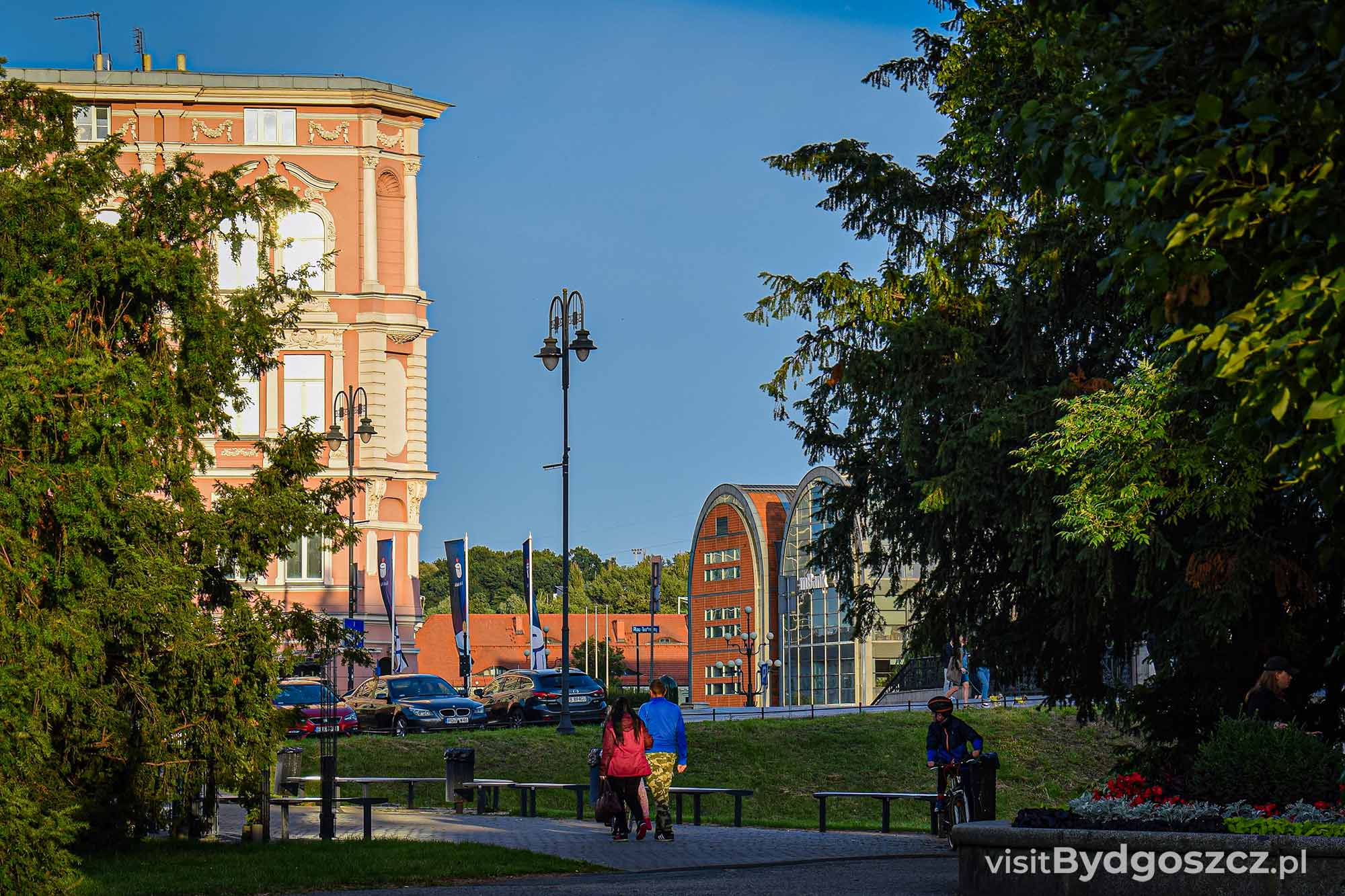
On the other bank of the Brda, in the old barns, there is now another stylish restaurant: "Stary Port" (13 Stary Port Street) and a popular youth club called "Awangarda" with a very interesting interior (21 Stary Port Street). The old and the new Bydgoszcz are symbolically connected by the suspended contemporary sculpture "Crossing the River" by Jerzy Kędziora, unveiled at midnight on 1 May 2004, for the occasion of Poland joining the European Union. In the same place you can find the modern building on BRE Bank, a kind of modern granary on the banks of the Brda (an award-winning project in a national architectural competition). The bold, modern building is loyal to the architectural climate of the former center of Bydgoszcz. Symbolically speaking, the granaries have always contributed to (and hopefully will continue to) the financial well-being of Bydgoszcz its citizens.


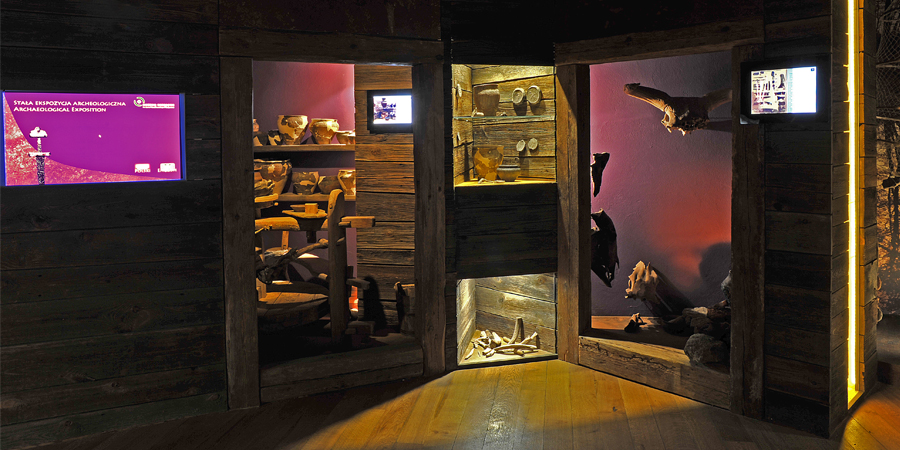
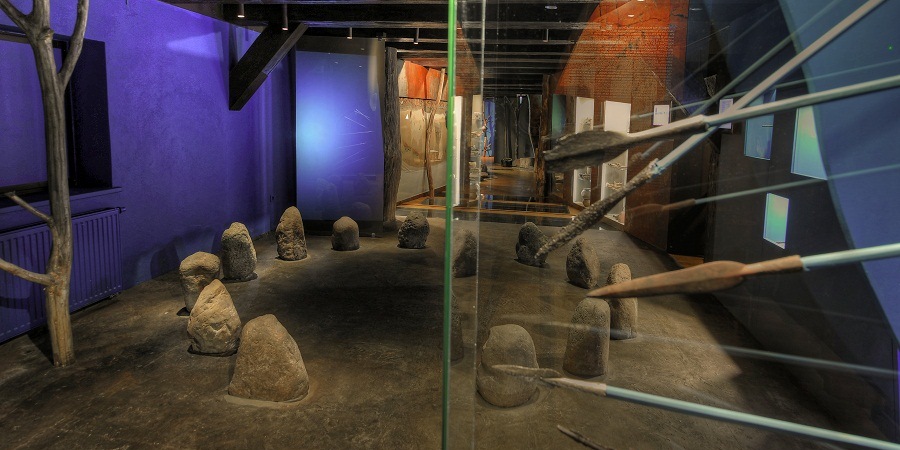

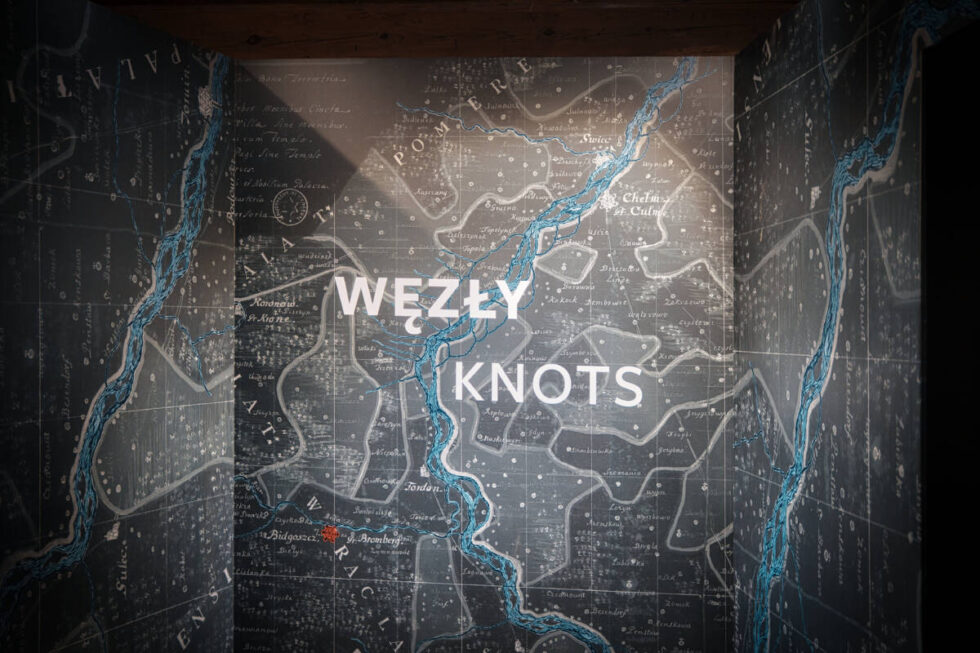
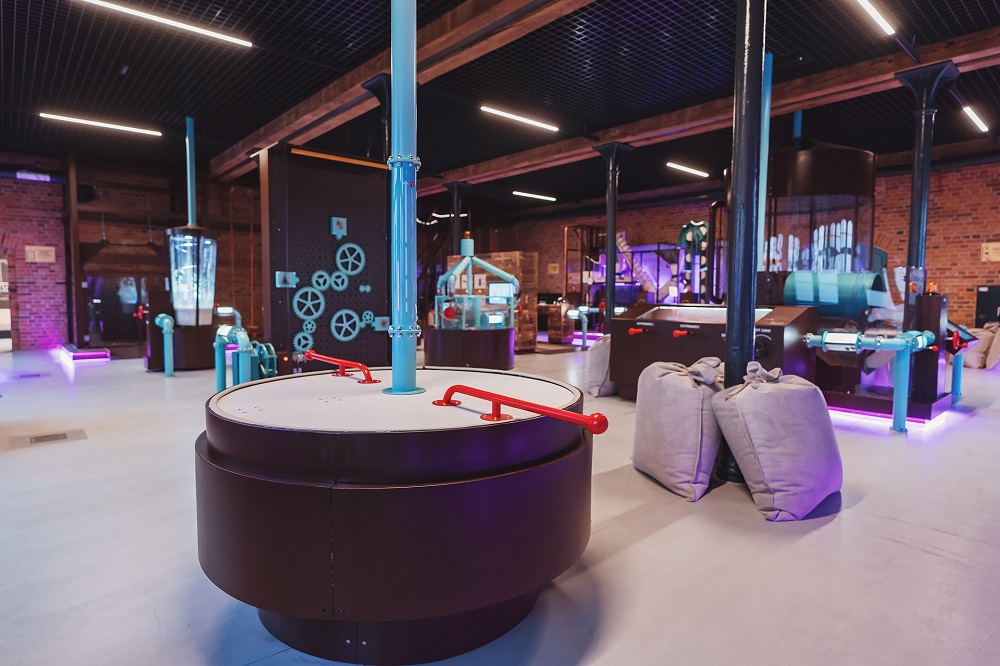
Factories, mills, and towers – discover Bydgoszcz’s industrial heritage
If you are looking for places with a distinct history, Bydgoszcz’s post-industrial sites offer an interesting perspective on the city's development. See how former port buildings, mills, and factories have been adapted for modern use. We invite you to explore the TeH2O Industrial Heritage Trail, where each location—from historic breweries to old mills—shows how people, water, and technology shaped Bydgoszcz. Discover how local industrial architecture functions today as a space for tourism and cultural events.
Post-Industrial Sites


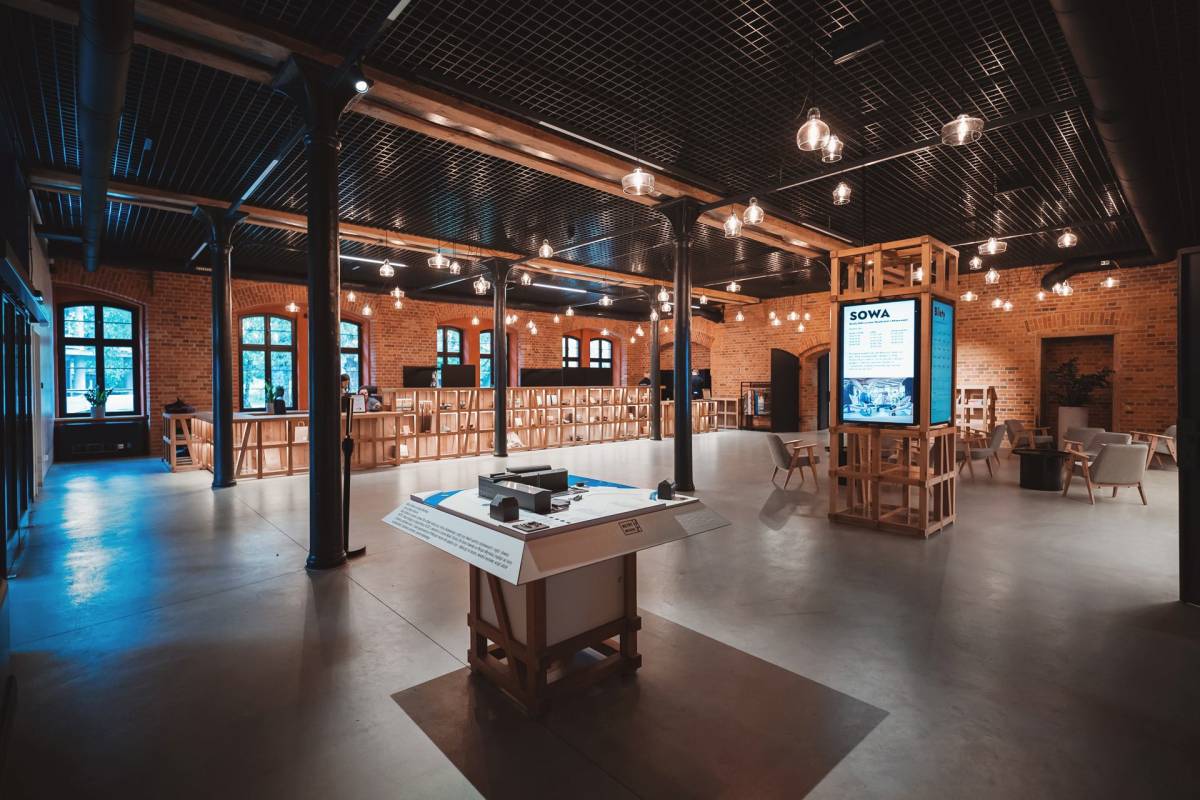



Prussian Period in Bydgoszcz: Architecture and History
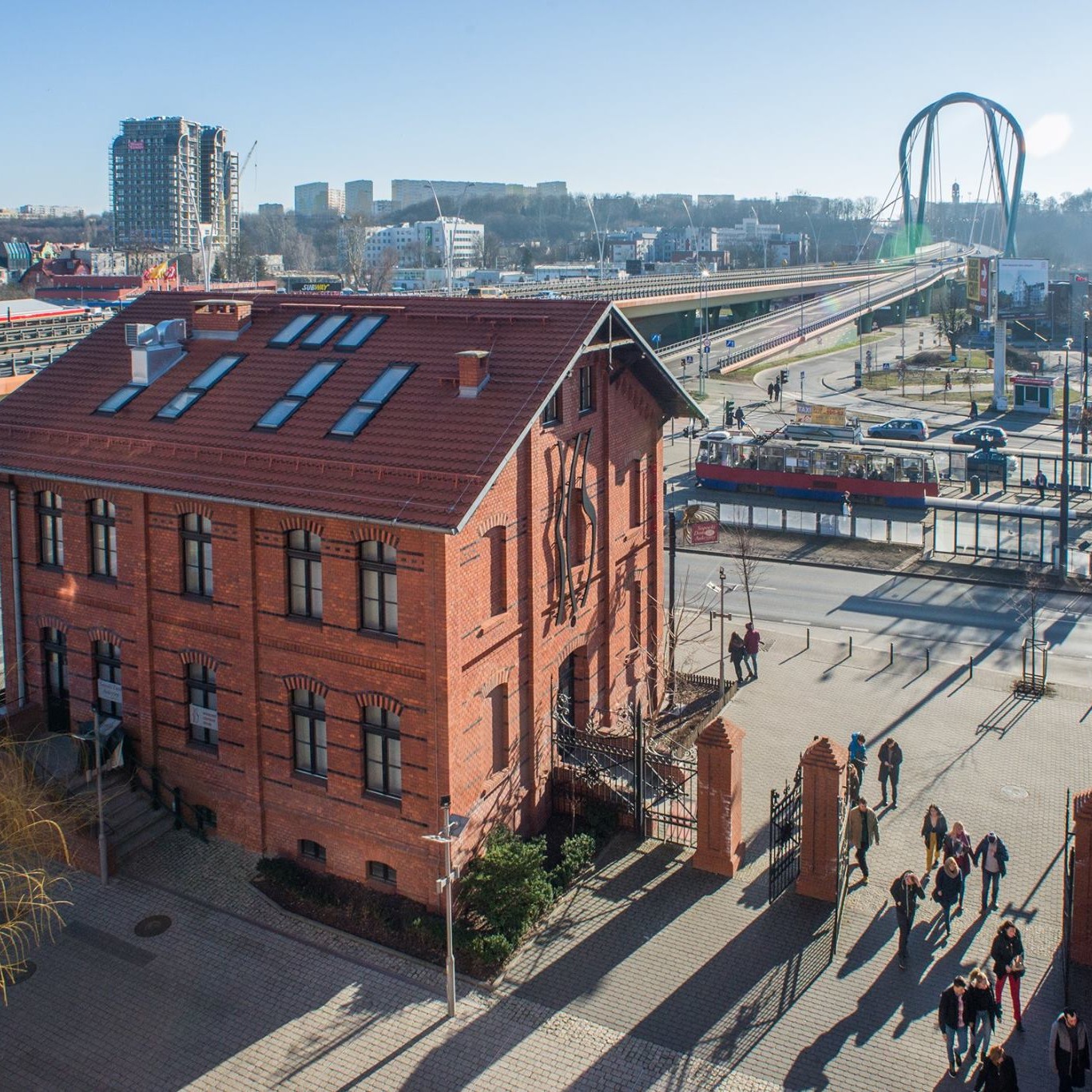
This route covers the time when Bydgoszcz's expansion was managed from Berlin, bringing new urban and technical ideas to the city. During this period, the Bydgoszcz Water Junction was developed into its current form, the first railway line was opened, and residential areas for officials and factory owners were built. Find out how 19th-century planning shaped the layout of the current city center and see the history preserved in these historic building facades.
Prussian Period in Bydgoszcz: Architecture and History


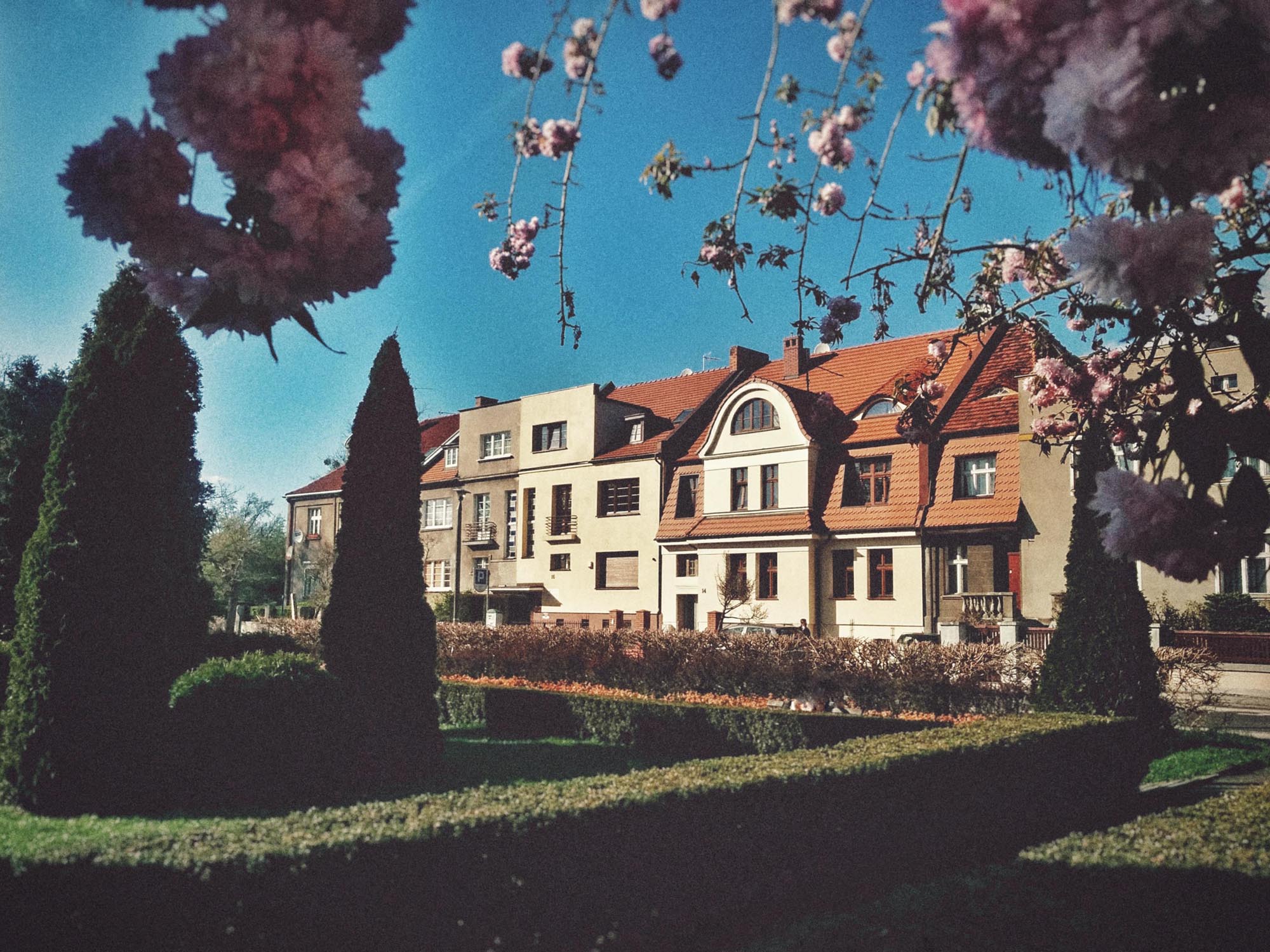
Dzielnica Sielanka - poleca Honorata Gołuńska
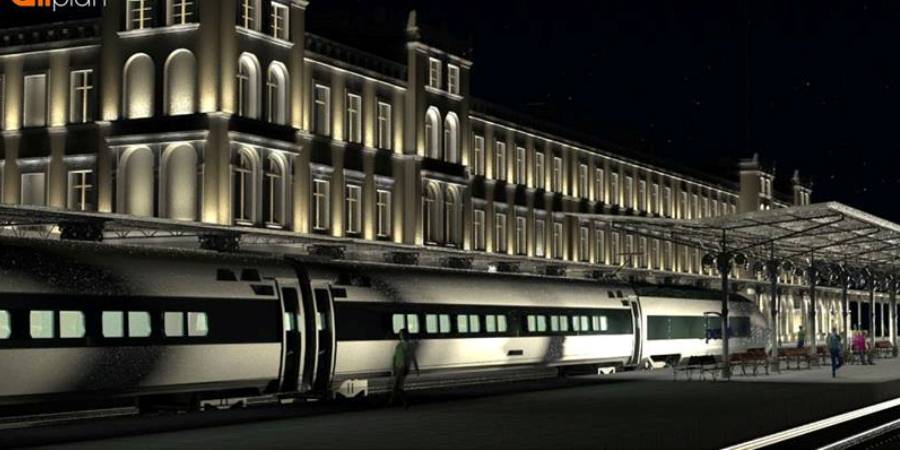
Królewskie otwarcie nowej linii kolejowej
Architectural Contrasts: Buildings with Character
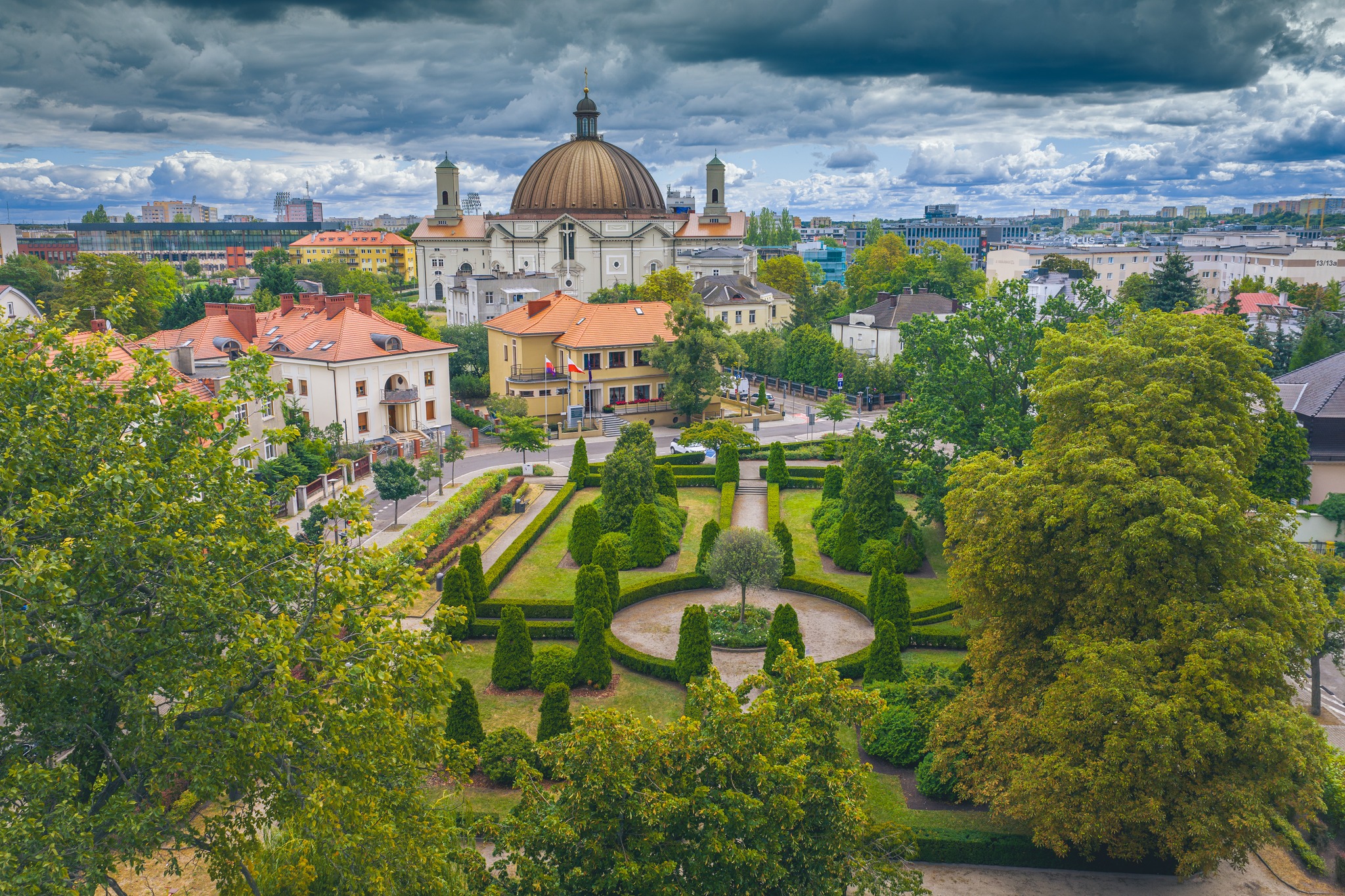
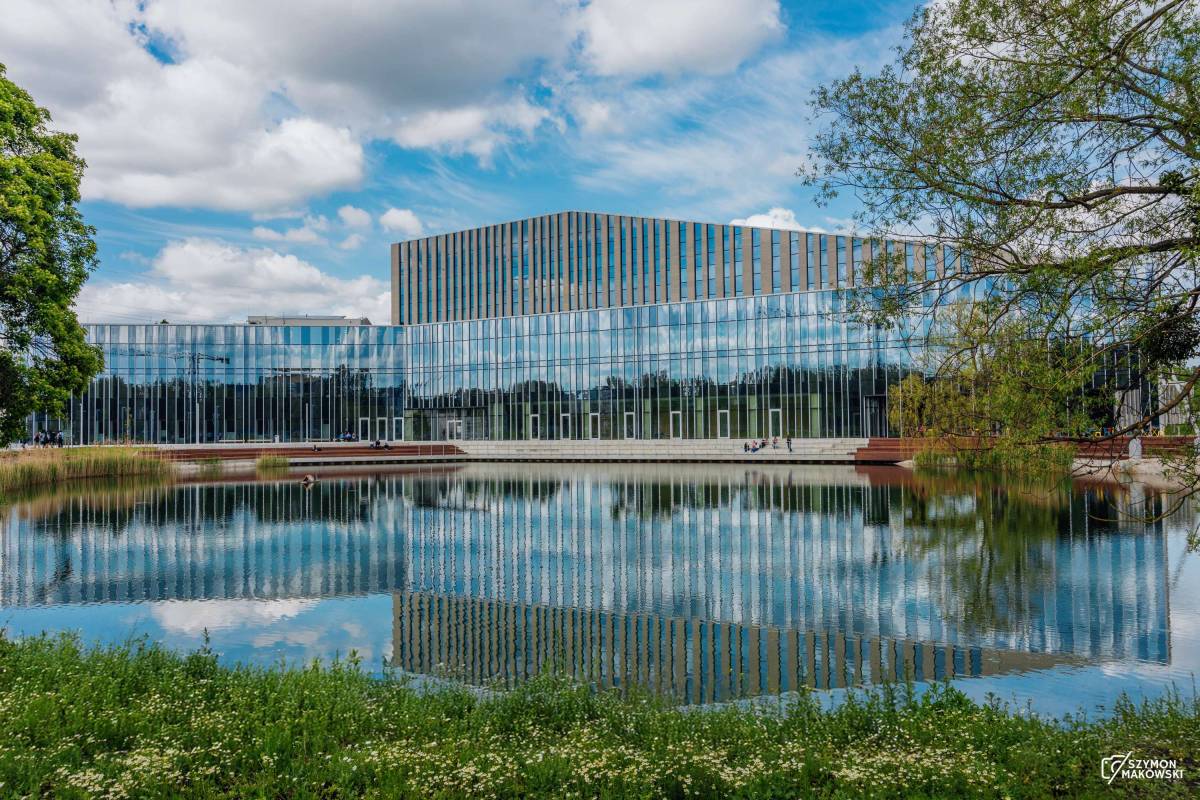
Bydgoszcz features a diverse mix of architectural styles. Alongside modern glass office buildings, you will find Neo-Gothic structures, modernist designs, and unique forms. Discover prominent landmarks across the city, including the historic Regional Court building, the new Academy of Music, and the villas of the Music District. This selection is ideal for visitors interested in varied architectural styles and urban details.
Other Architectural Highlights



Rejsy turystyczne

fot. Marcin Zaborowski
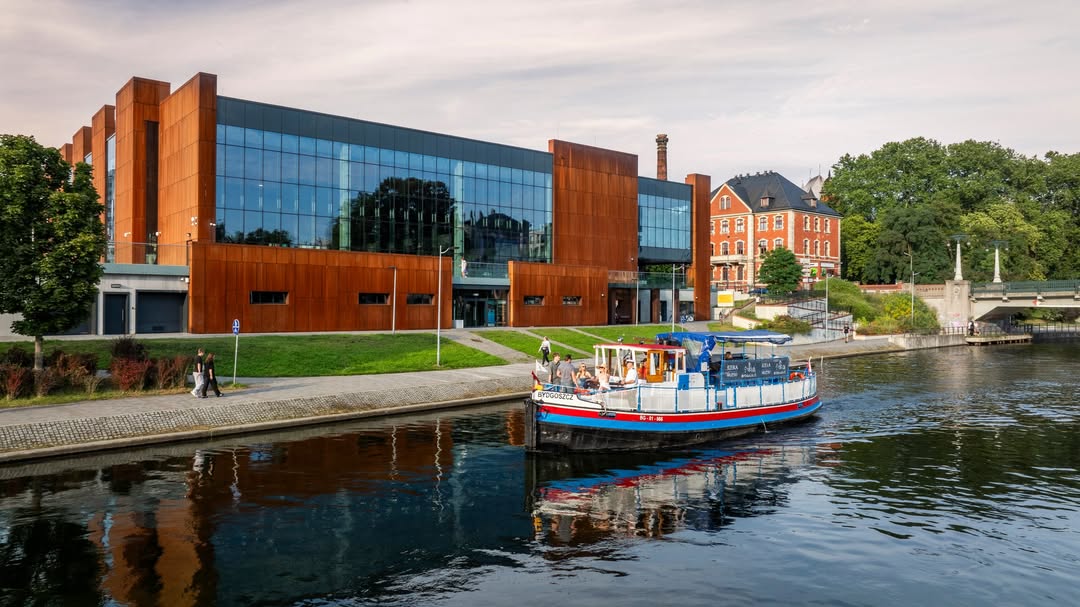
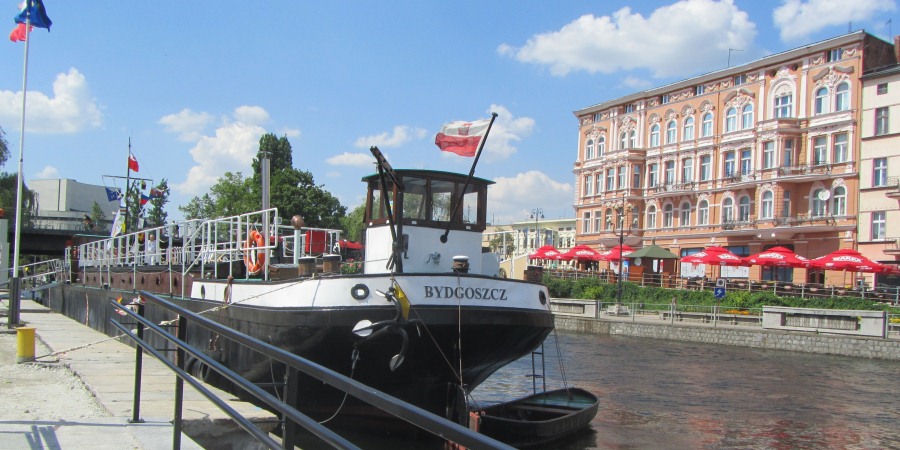
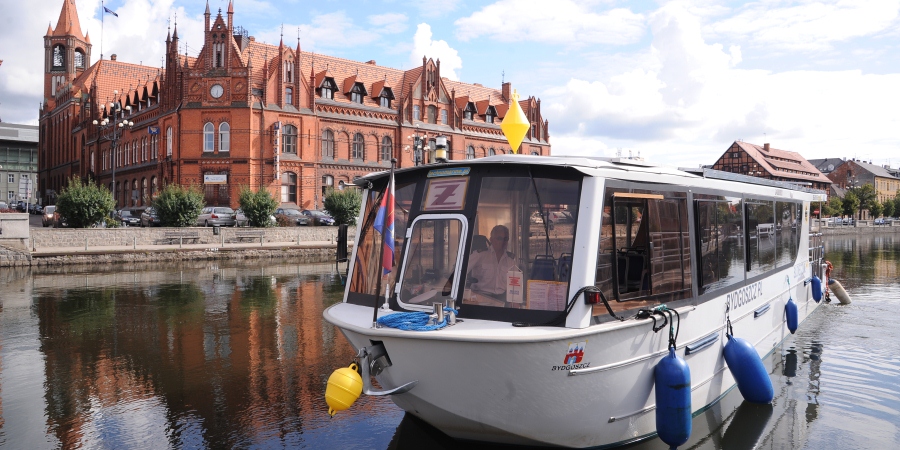
Rejsy turystyczne statkami Słonecznik, Słonecznik II i MS Bydgoszcz to jedna z ulubionych i najpopularniejszych wakacyjnych atrakcji turystycznych Bydgoszczy. Możliwość podziwiania miasta z zupełnie innej perspektywy – od strony rzeki – przyciąga z roku na rok coraz więcej turystów i bydgoszczan.
Więcej rejsów → Turystyka wodna w Bydgoszczy