The Bydgoszcz Treasure
Several years have passed since the spectacular discovery of the Bydgoszcz Treasure. Although the initial sensations have somewhat quieted down, it still captivates the imagination and continues to amaze. This admiration is not merely centered on the extraordinary amount of gold bullion transformed into coins and breathtakingly beautiful jewelry; it also stems from an unprecedented diversity of artifacts compared to other treasures discovered in Poland.
About the exhibition
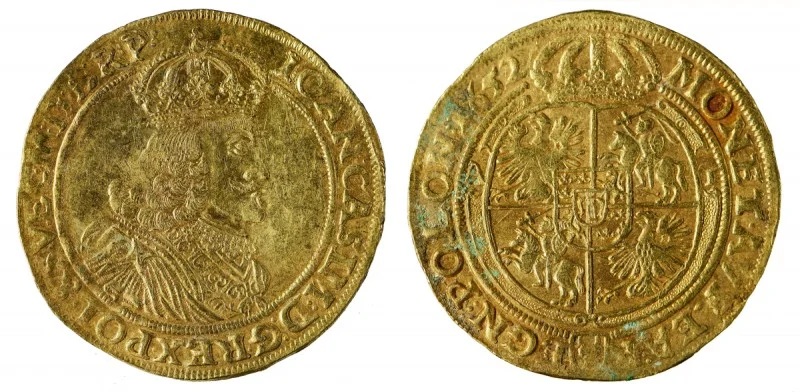
The treasure comprises numerous precious items, including captivating pontaliki (decorative applications sewn onto clothing), silver and gilded guzy (historical counterparts to modern buttons), tasteful rings, engraved gold wedding bands, two silver medallions, silver chains, devotional items, and even an amulet in the shape of a "wolf's tooth." The numismatic portion of the treasure consists of 486 gold coins from mints scattered across the European continent, as well as Asia and Africa (the Ottoman Empire). Among this extensive group are Polish ducats, alongside those from the German Reich, Austria, Hungary, England, Denmark, Sweden, and Spain. The most numerous, however, are the ducats and double ducats from the Northern Netherlands. Their massive influx into the territories of the Polish-Lithuanian Commonwealth dates back to the beginning of the 17th century and was incredibly abundant.
It is no surprise, then, that Dutch ducats so heavily dominate the Bydgoszcz Treasure, especially considering that the grain trade was one of the primary channels for shifting Dutch gold into the domestic market. Bydgoszcz served as one of the main intermediaries in this economic process, building its prosperity and high standing among the cities of the Polish Crown on river trade—a golden age that was only brought to an end by the Swedish invasion during the Second Northern War.
The oldest coins in the Bydgoszcz deposit date back to the late 15th and early 16th centuries. The youngest specimens, on the other hand, date to the year 1652, among which is a beautifully preserved double ducat of King John II Casimir from the mint in Poznań.
We do not currently know what forced the owner of the treasure to hide their valuables. We do not know who they were, exactly when they deposited the cache beneath the floor of the Bydgoszcz Parish Church, or why they never reclaimed it. Whether it was the Swedish threat of 1655, which so deeply affected the Polish-Lithuanian Commonwealth, that drove the owner's actions must remain a matter of speculation. Many questions will likely remain unanswered forever. As benefits a true treasure, mystery is part of its very nature—and, consequently, a gateway to the imagination, which, completely unrestricted, does not necessarily have to stand in opposition to the facts.
Of one thing we can be certain: in many respects, the Bydgoszcz Treasure has no equal in our country, and even on a European scale, it ranks among the most magnificent. Such a concentration of gold and silver in the form of coins and pieces of jewelry art is truly exceptional. In the Polish context, it has no analogy whatsoever. A certain point of reference might be the Košice Treasure in Slovakia, which also consists exclusively of gold coins—far more than in Bydgoszcz, numbering nearly 3,000—hidden in the second half of the 17th century; however, it lacks the rich diversity of valuables (containing only one chain) found in the Bydgoszcz case. Did the Bydgoszcz Treasure originally belong to someone exceptional? Someone exceptionally wealthy? It seems they were certainly affluent, but surprisingly, not excessively so. This was rather unlikely to be a magnate’s fortune. Given its overall value, its character aligns much better with a wealthy merchant or burgher—and as we know, there was no shortage of such citizens in 17th-century Bydgoszcz before the Swedish invasion struck the city.
When?
permanent exhibition
Where?
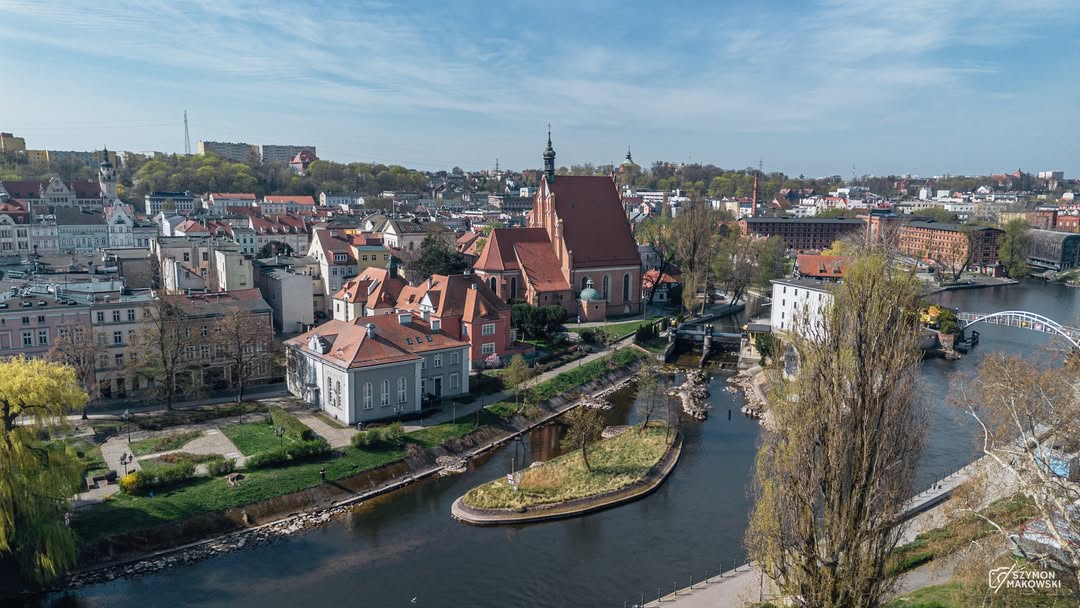
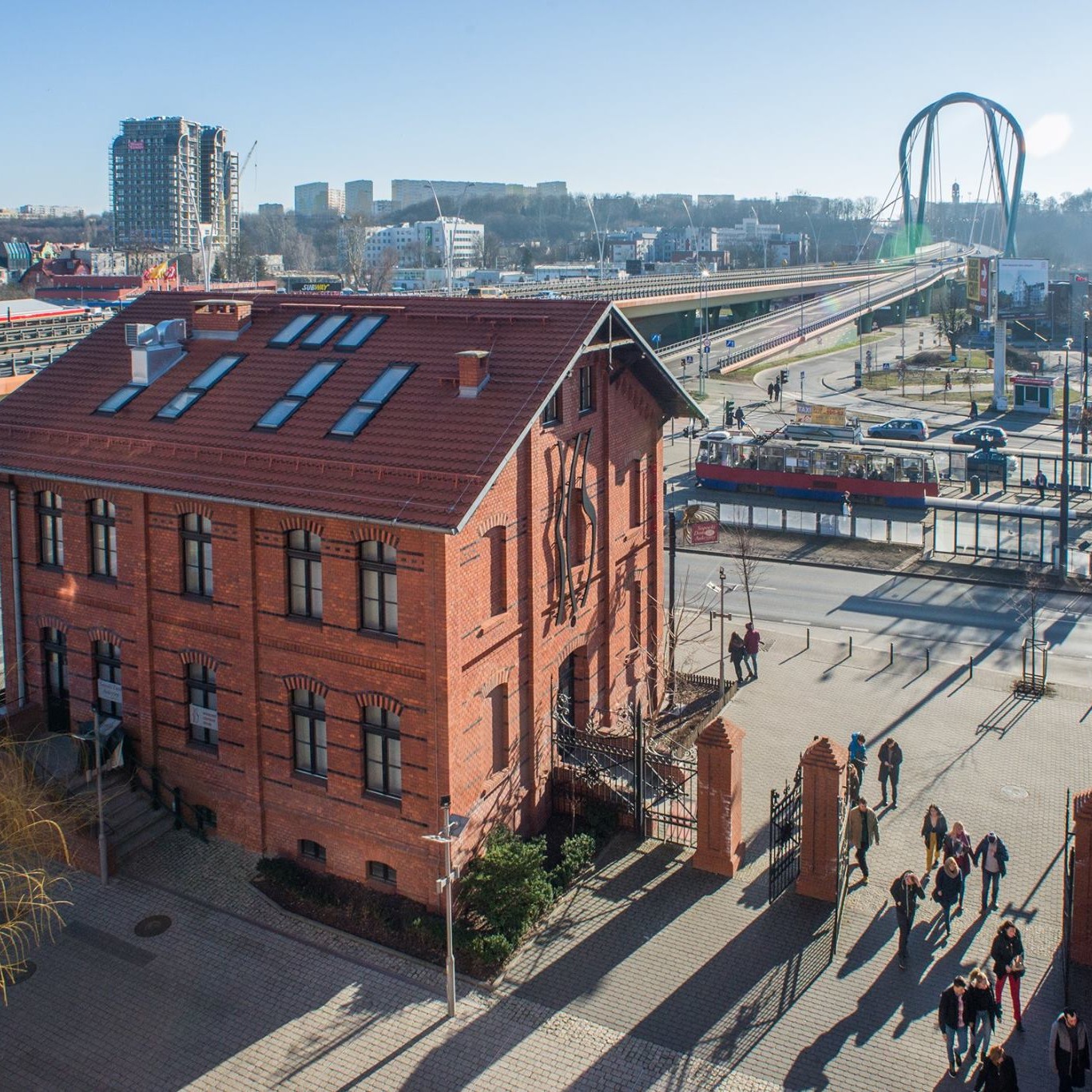
European Money Center, 4 Mennica street, Mill Island